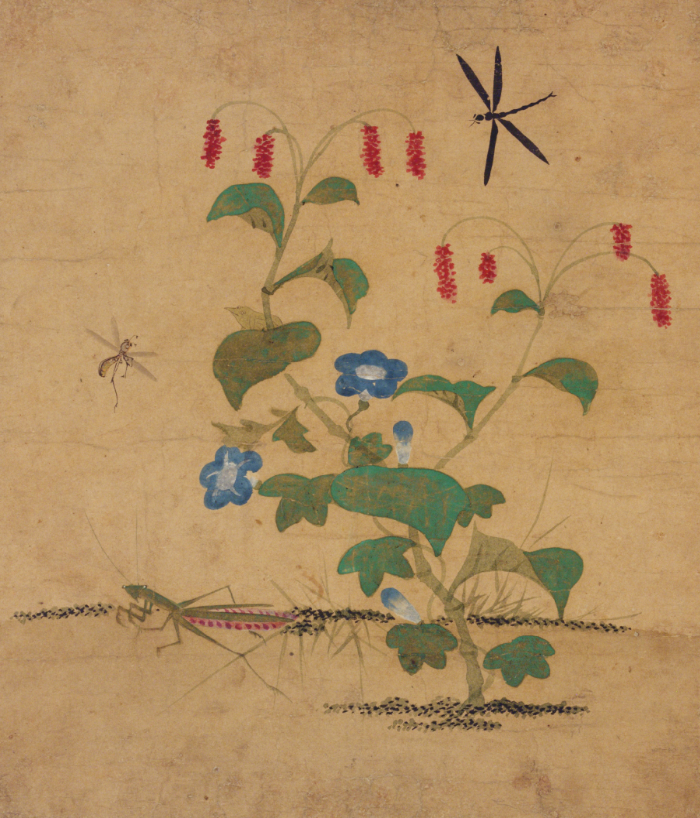
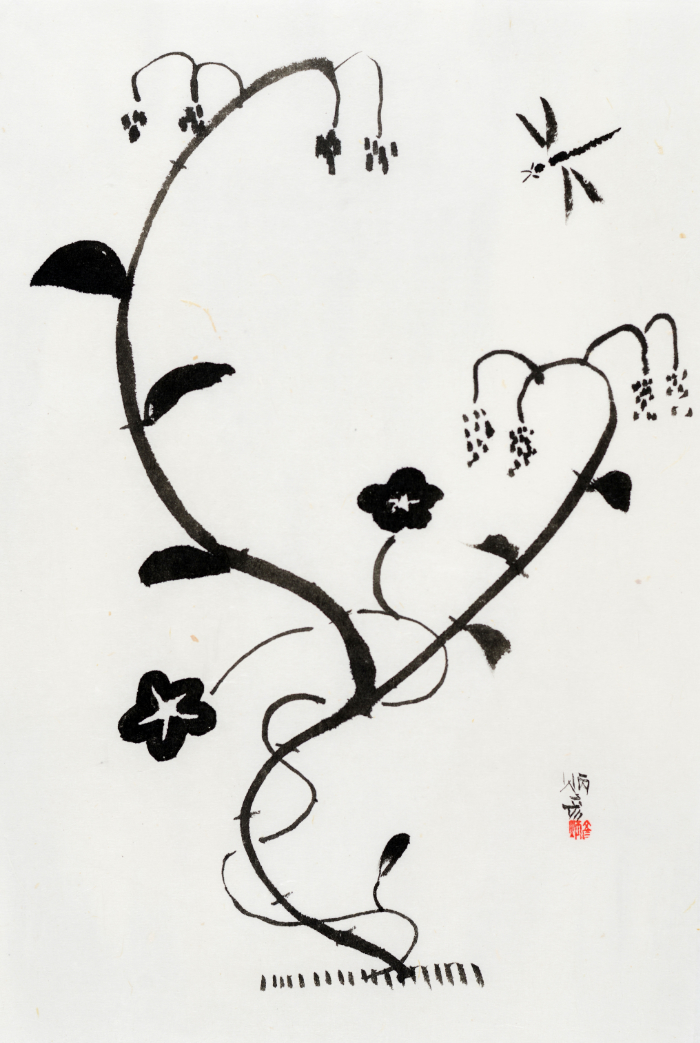
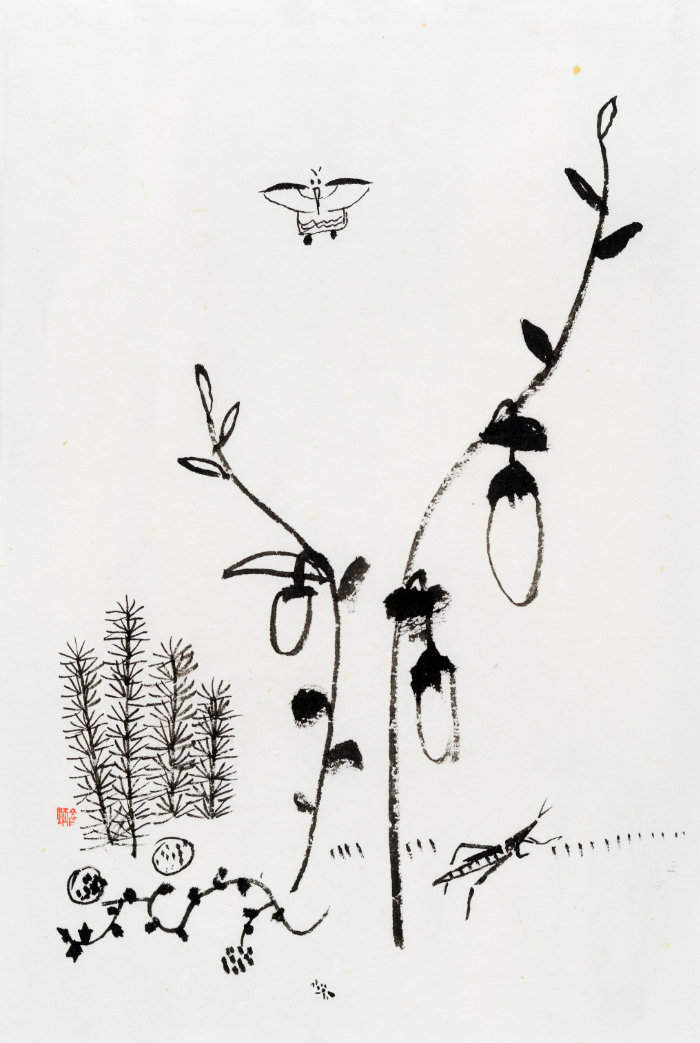
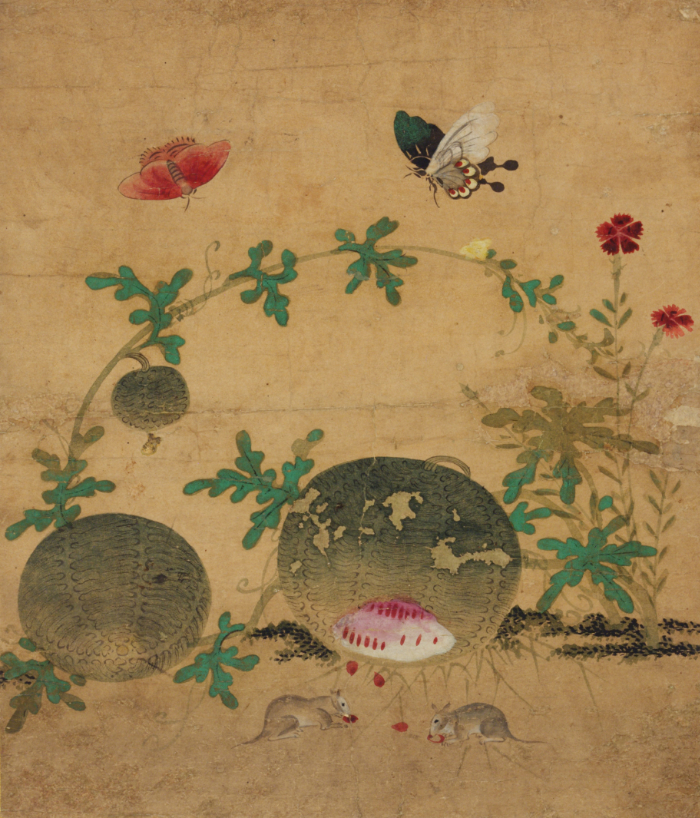
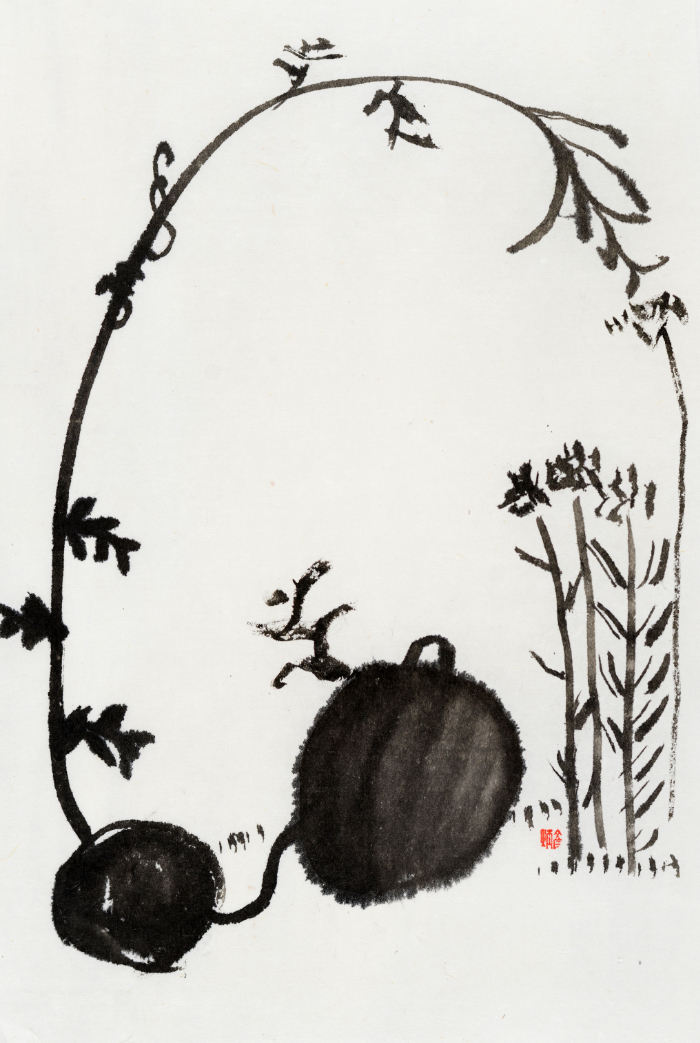
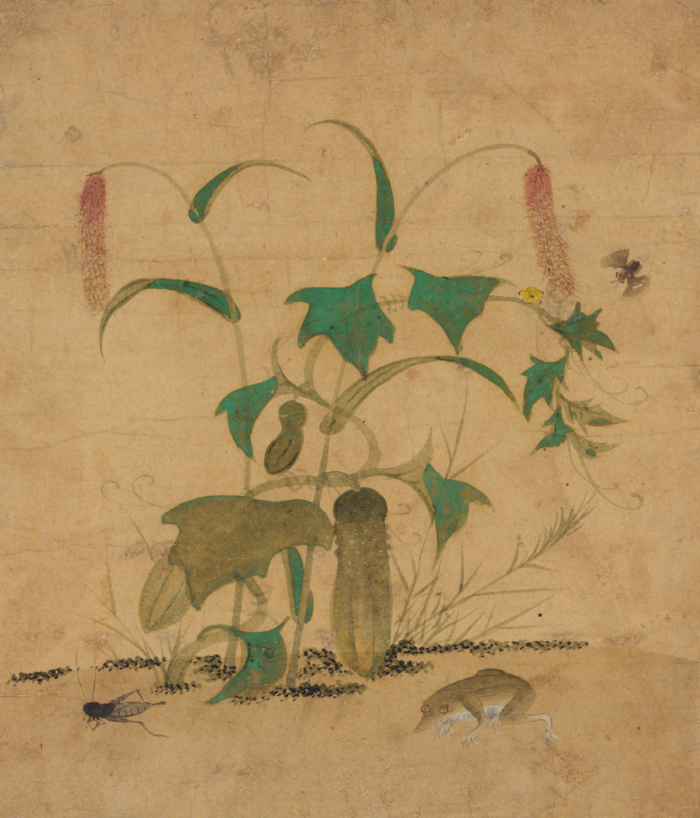
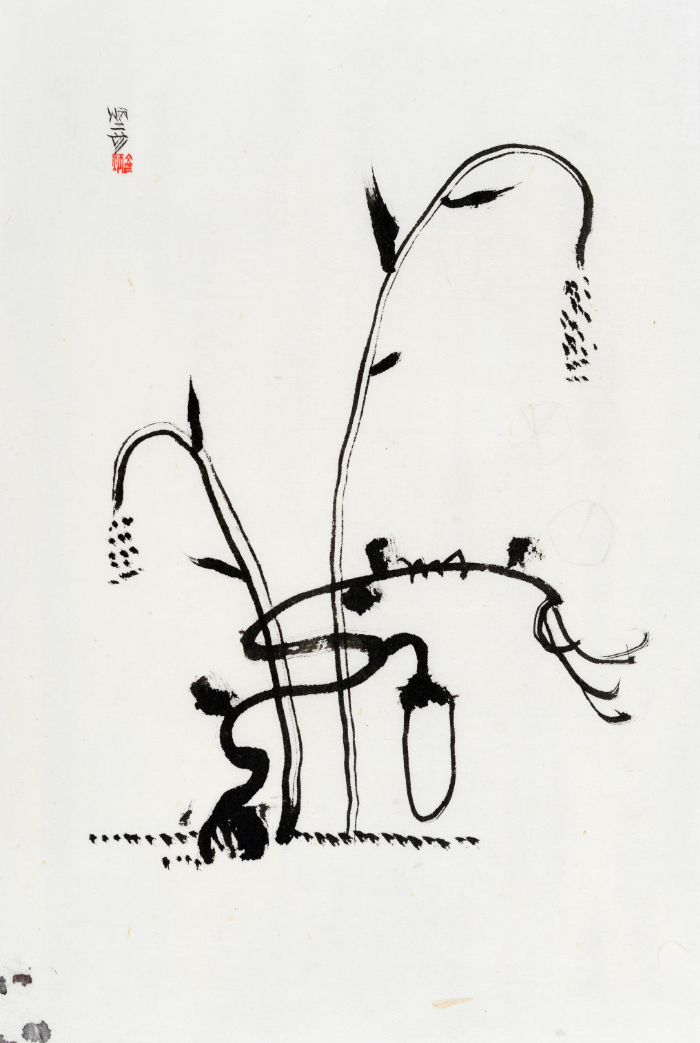
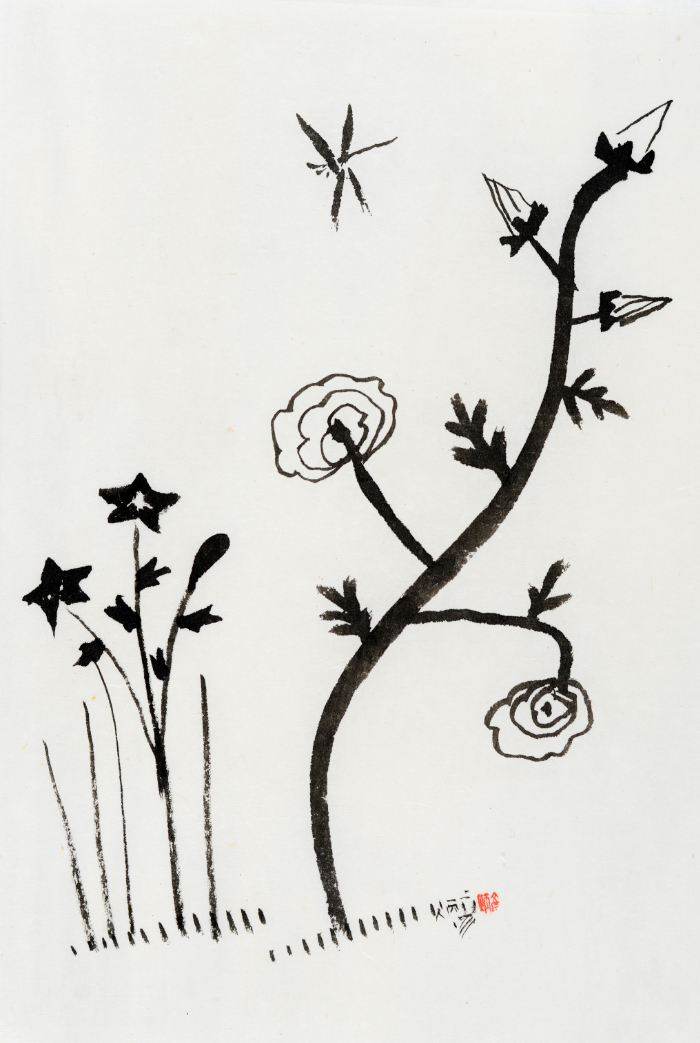
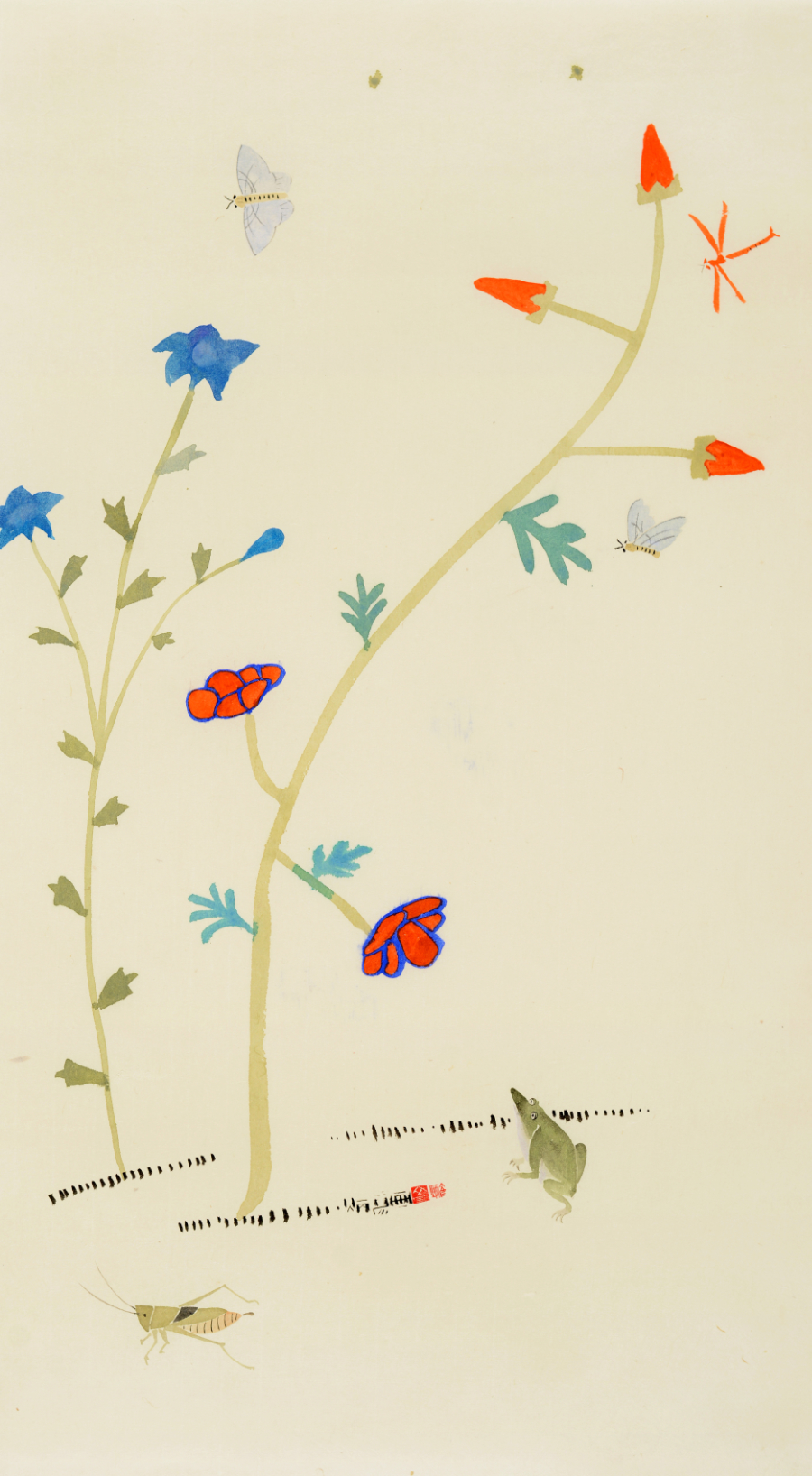
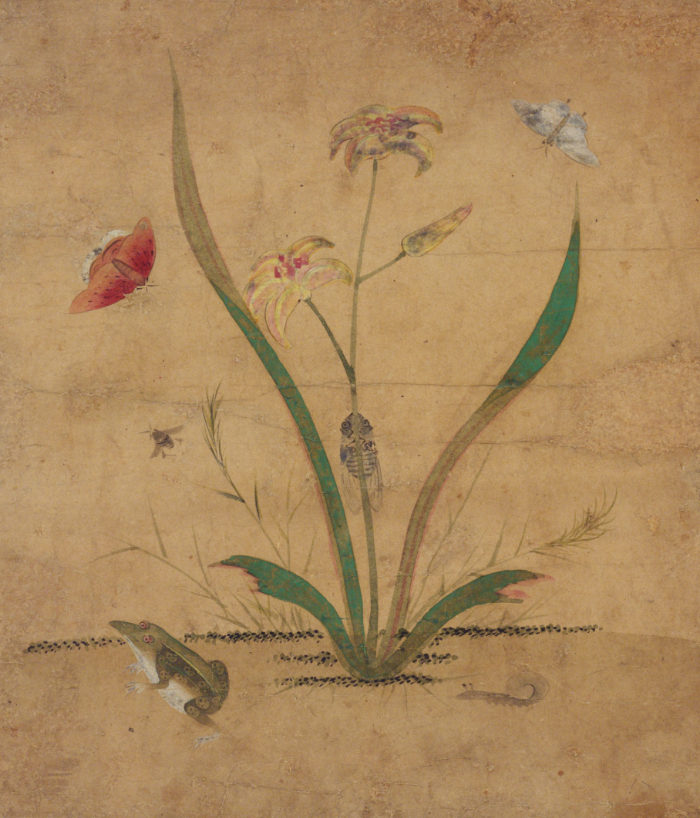
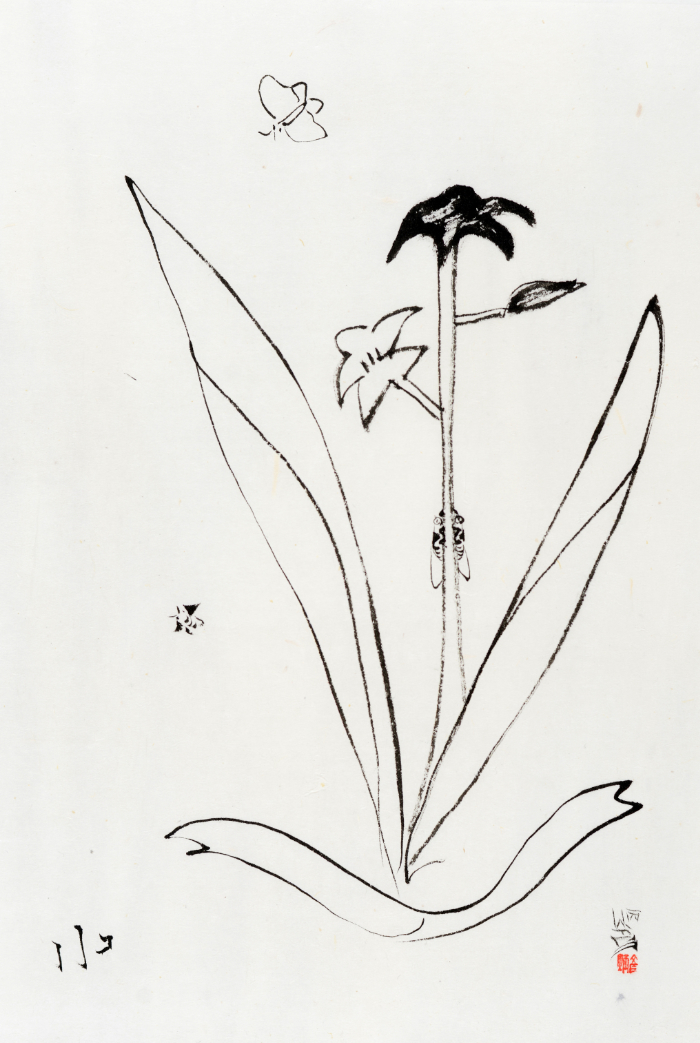
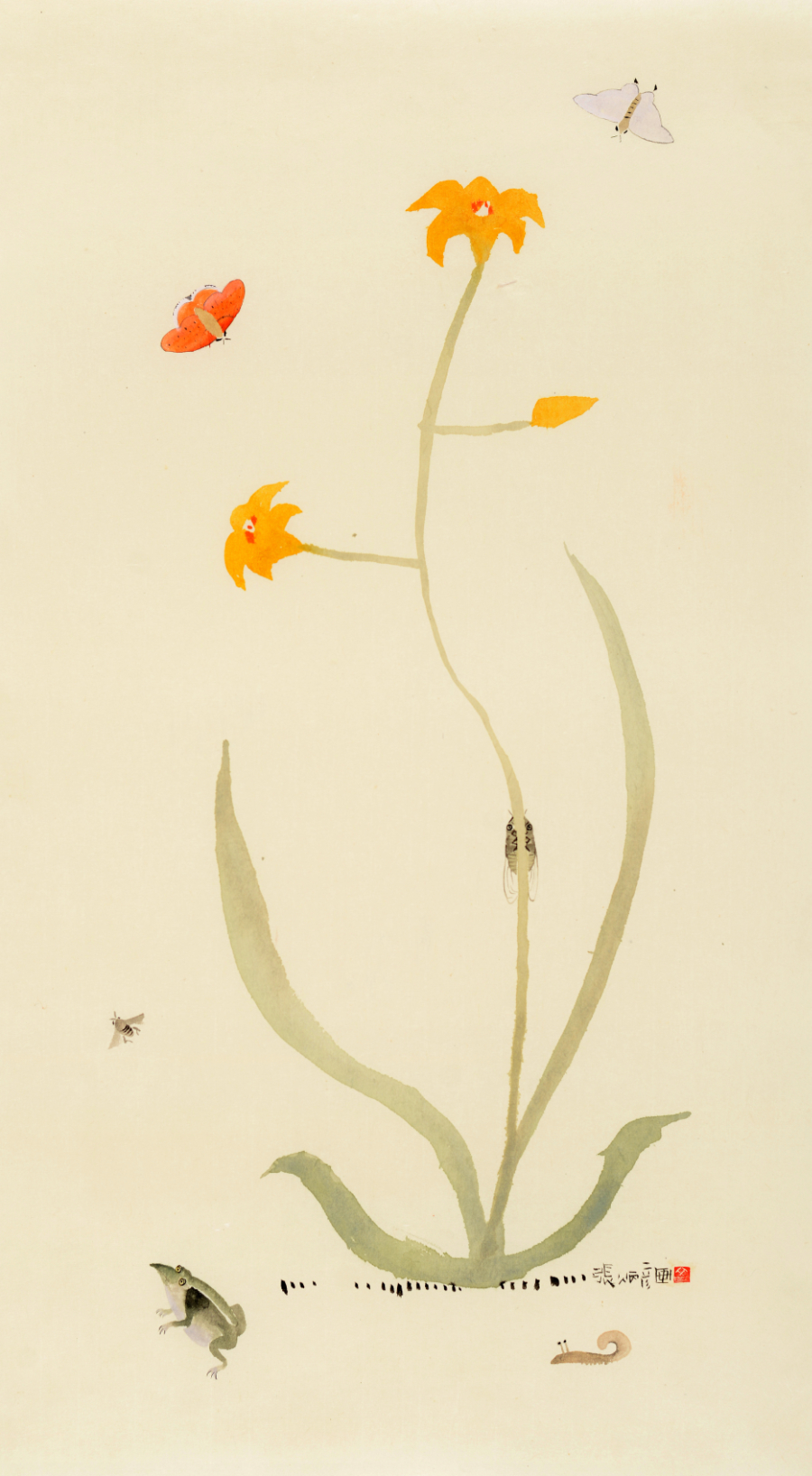
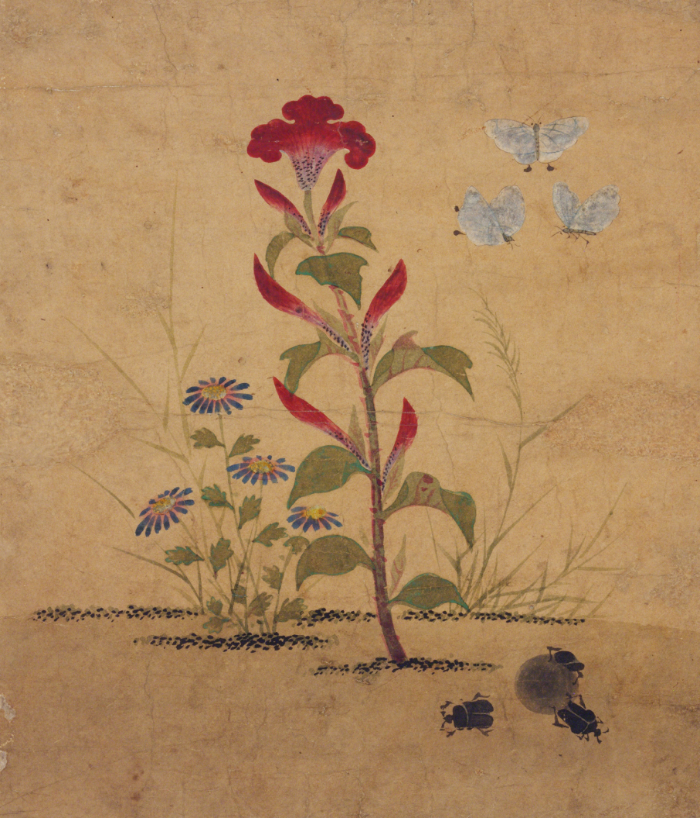
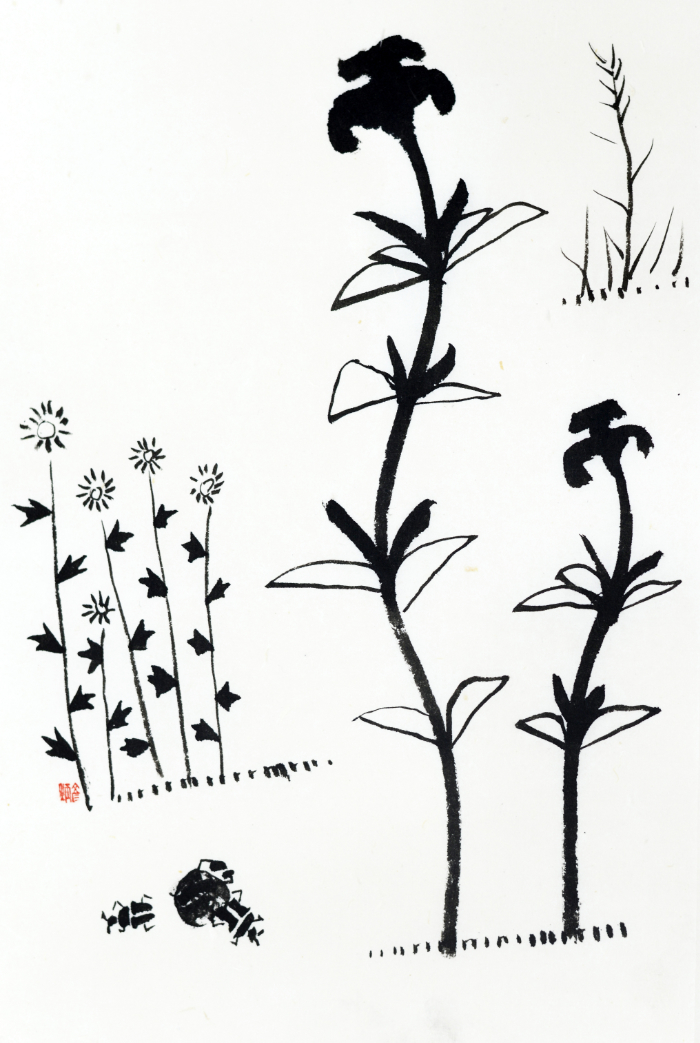
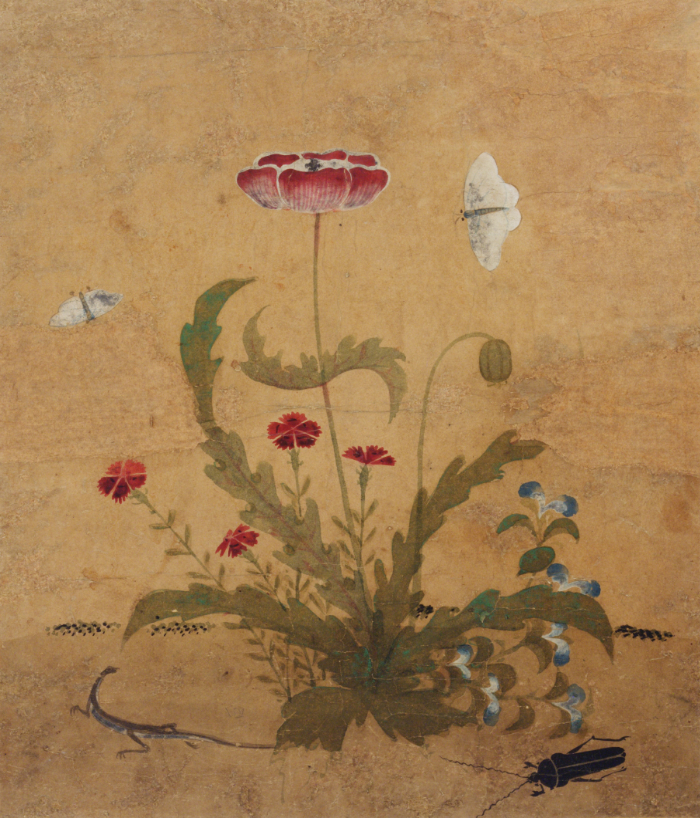
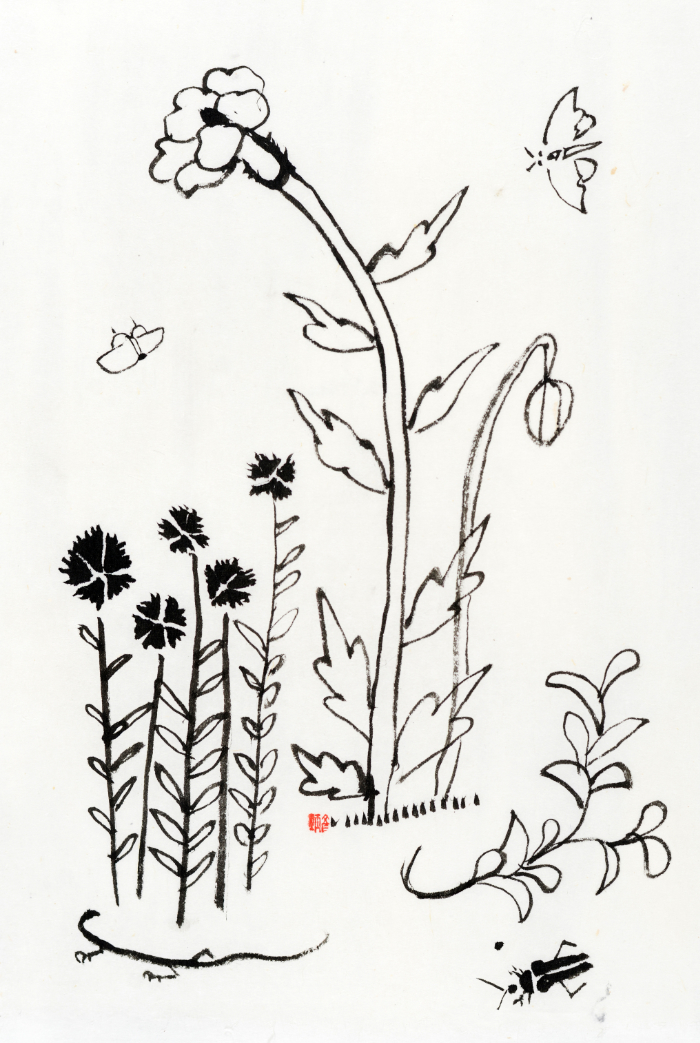
傳 申師任堂 筆草蟲圖 / 신사임당 초충도 / Shin Saimdang: Insects and Plants (Cho-chung-do) / Ink and color on paper / 32.2 × 28.5 cm / Joseon period, first half of the 16th century / Collection of the National Museum of Korea張炳彦 장병언 Jang Byeong Eun / 구조 드로잉 / Structure Drawing / Ink on paper / 38 × 25 cm / 2016
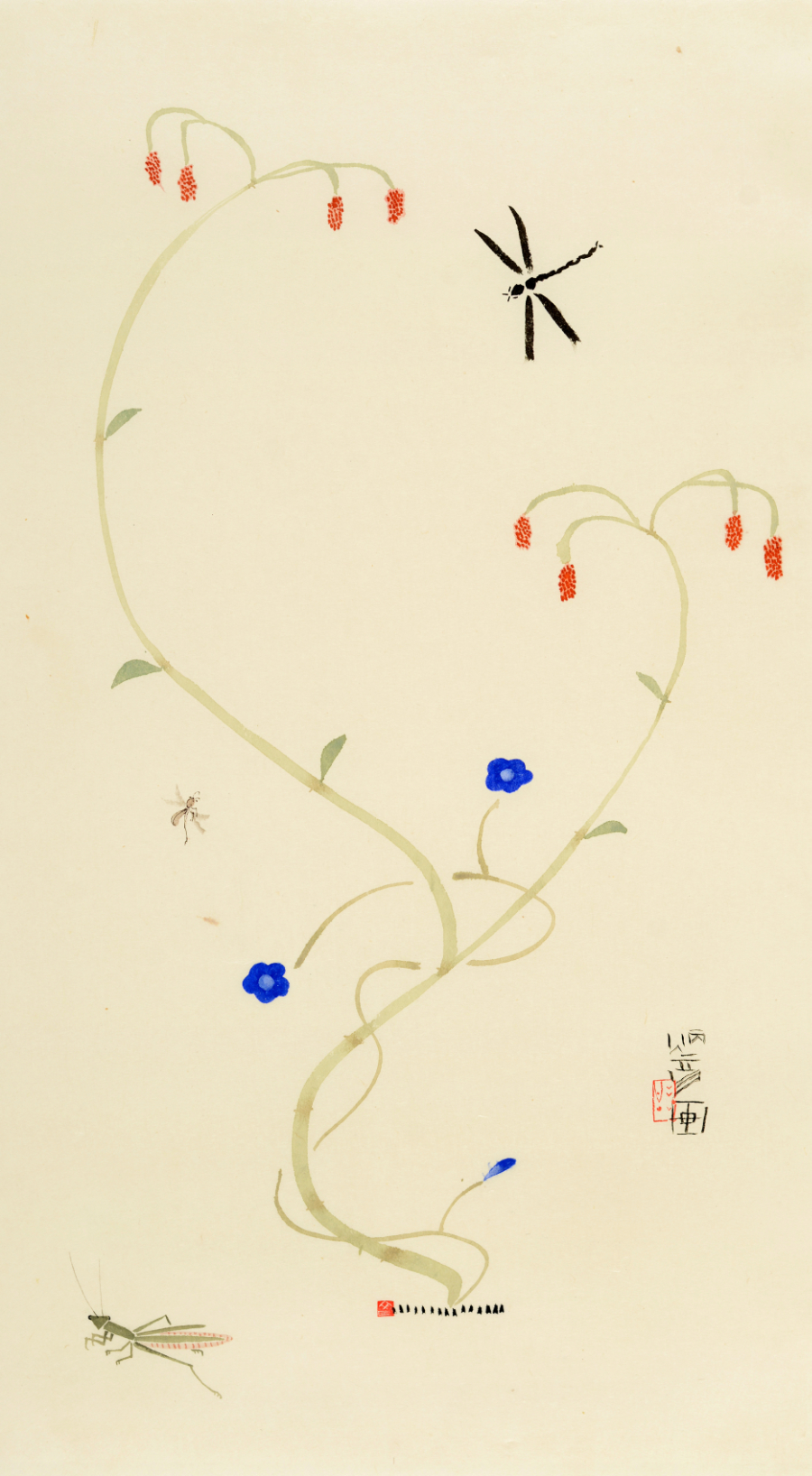
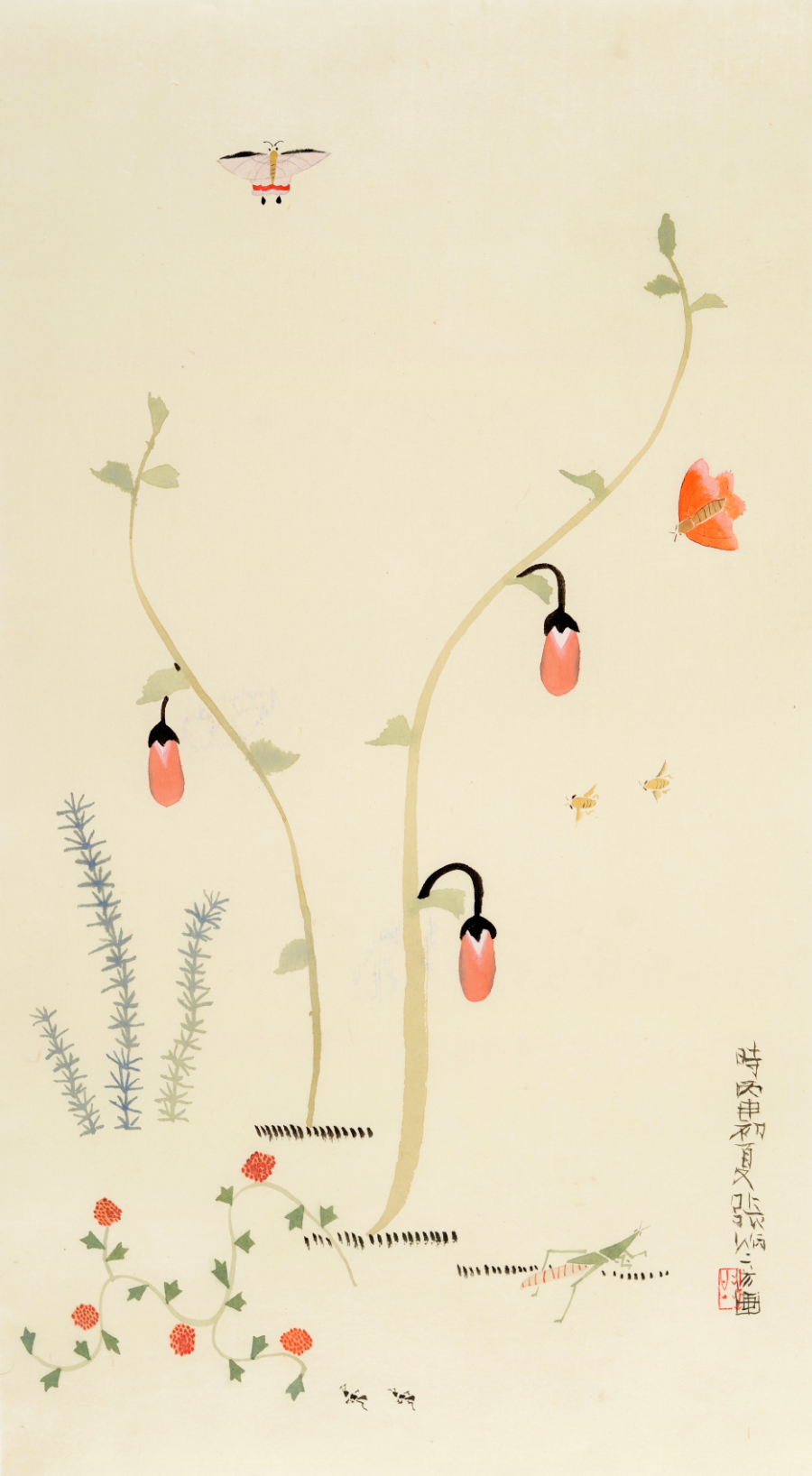
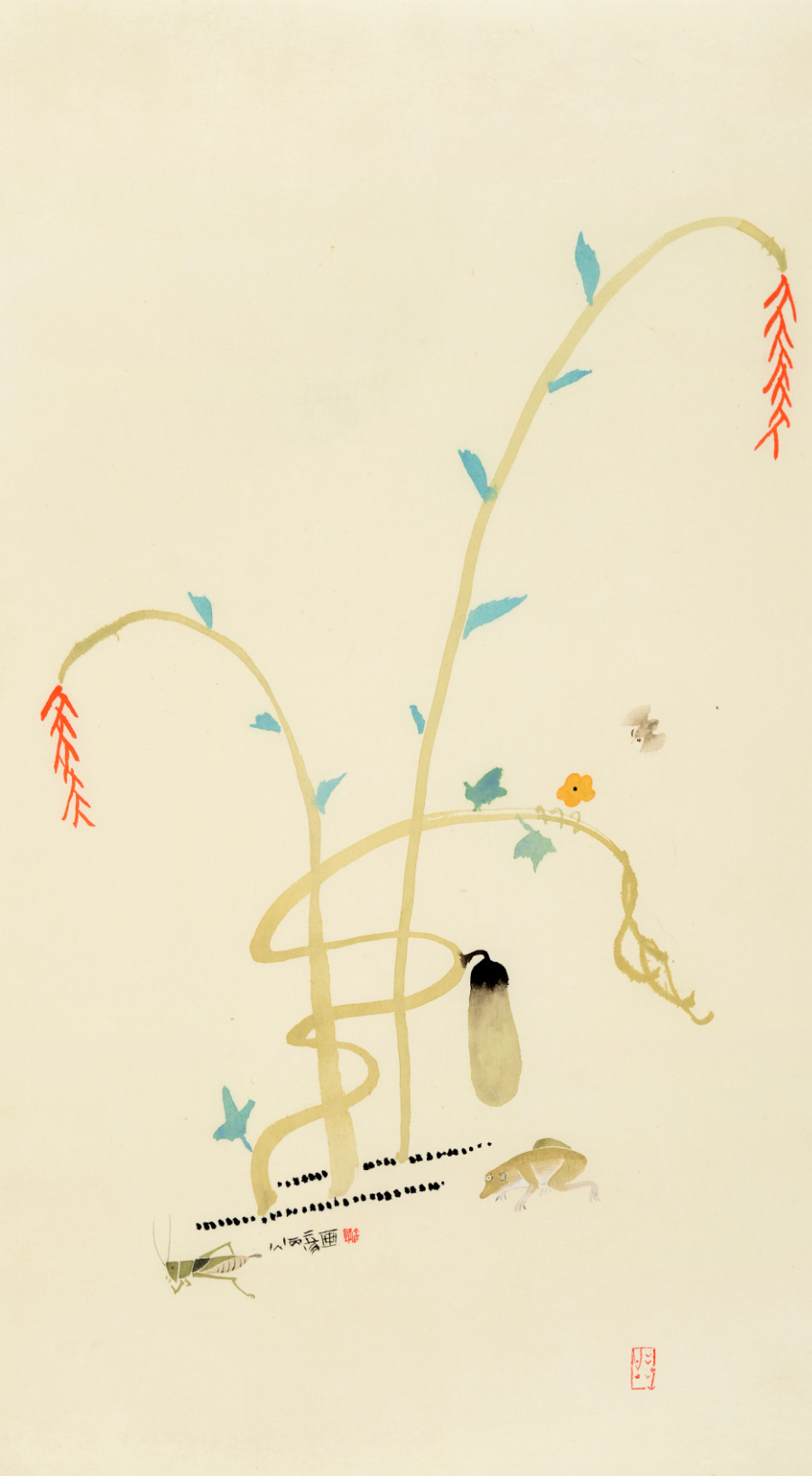
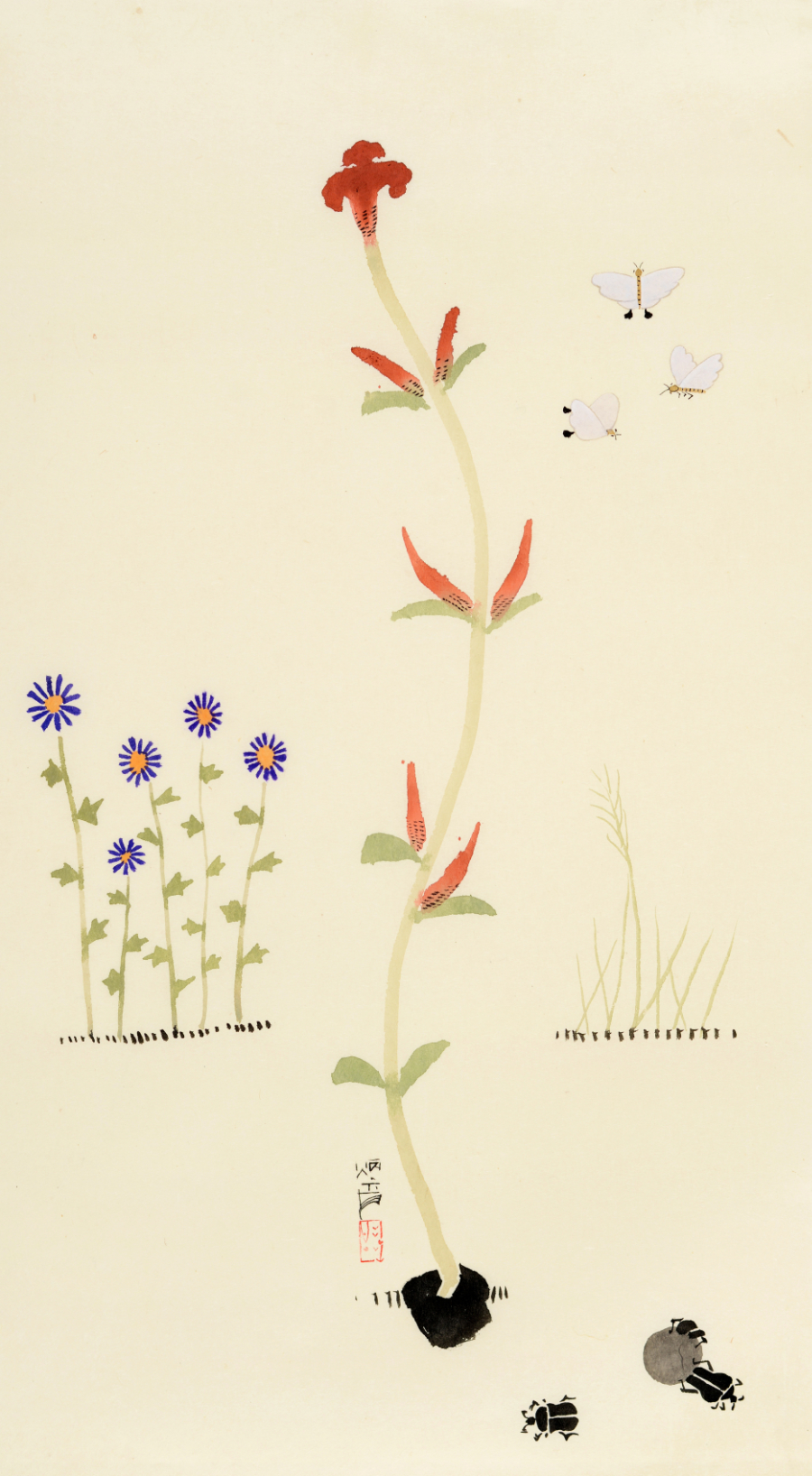
張炳彦 장병언 Jang Byeong Eun / 倣 師任堂 草蟲圖 / 방 사임당 초충도 / Insects and Plants, after Shin Saimdang / Ink and light color on paper / 73 × 40 cm / 2016
傳 申師任堂 筆草蟲圖 / 신사임당 초충도 / Shin Saimdang: Insects and Plants (Cho-chung-do) / Ink and color on paper / 32.2 × 28.5 cm / Joseon period, first half of the 16th century / Collection of the National Museum of Korea張炳彦 장병언 Jang Byeong Eun / 구조 드로잉 / Structure Drawing / Ink on paper / 38 × 25 cm / 2016
張炳彦 장병언 Jang Byeong Eun / 倣 師任堂 草蟲圖 / 방 사임당 초충도 / Insects and Plants, after Shin Saimdang / Ink and light color on paper / 73 × 40 cm / 2016
예술가의 ‘영감’은 결코 무(無)에서 발생하지 않는다. 그것은 언제나 특정한 인풋(Input)이 감각을 통과하며 남긴 잔여물이다.
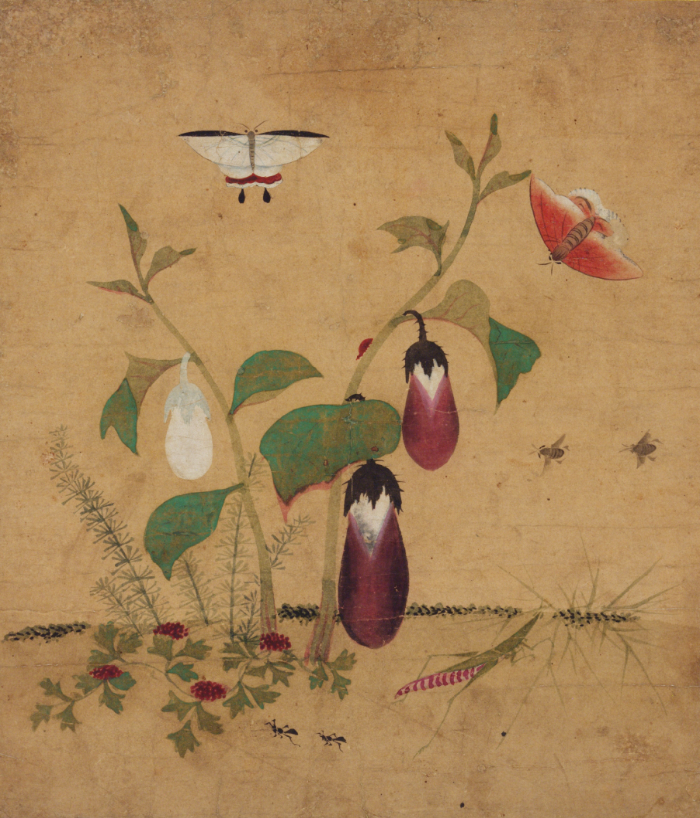
이 챕터에서 나는 고전 회화, 그중에서도 신사임당의 초충도를 인풋으로 삼아 내 시선이 어디에서 멈추고, 무엇을 선택했는지를 살폈다.
초충도는 식물과 곤충의 생태를 정교하게 묘사한 전통적 회화이지만, 내가 집중한 것은 대상의 이름이나 장식성이 아니다. 줄기가 그리는 곡선의 궤적, 화면을 가르는 곤충의 위치, 그리고 색의 농담이 만들어내는 긴장 같은
조형적 관계들이다.
이 작업의 과정은 ‘재현’이 아니라 ‘편집’이다. 원본이 지닌 서사와 정보를 의도적으로 덜어내고, 내 감각이 포착한 최소한의 구조만을 남겼다. 무엇을 더할 것인가가 아니라, 무엇을 생략하고도 그 에너지를 유지할 수 있는가를 가늠했다.
이 기록은 영감에 대한 설명이 아니라, 고전이라는 인풋이 내 신체를 통과하며 어떻게 처리되었는지를 남긴 결과다. 신사임당의 초충도라는 하나의 인풋에 대해 내가 어떤 조형적 관계에 반응했고, 무엇을 남기고 무엇을 덜어냈는지를 보여준다. 이는 2016년, 당시의 감각과 조건 속에서 이루어진 하나의 작업 기록이다.
An artist’s “inspiration” never arises from nothing. It is always the residue left when a specific input passes through the senses.
In this chapter, I took classical painting as my point of departure— specifically Shin Saimdang’s Cho-chung-do.
I observed where my gaze paused, and what it chose to retain
While Cho-chung-do is a traditional form that meticulously depicts the ecology of plants and insects, my focus was not on the names of the subjects or their decorative qualities.
I concentrated instead on formal relationships: the trajectory of curves formed by stems, the positioning of insects as they divide the pictorial space, and the tension created by variations in color density.
The process of this work is not “representation,” but “editing.”
I deliberately stripped away the narrative and informational richness of the original, leaving only the minimal structure captured by my perception.
Rather than asking what to add, I considered what could be omitted while still sustaining its formal energy.
This record is not an explanation of inspiration. It is the result of how a classical input was processed as it passed through my body.
Using Shin Saimdang’s Cho-chung-do as a single input, it reveals which formal relationships I responded to, and what I chose to retain or discard.
This work constitutes a record produced in 2016, shaped by the sensory conditions of that time.
傳 申師任堂 筆草蟲圖 / 신사임당 초충도 / Shin Saimdang: Insects and Plants (Cho-chung-do) / Ink and color on paper / 32.2 × 28.5 cm / Joseon period, first half of the 16th century / Collection of the National Museum of Korea張炳彦 장병언 Jang Byeong Eun / 구조 드로잉 / Structure Drawing / Ink on paper / 38 × 25 cm / 2016
張炳彦 장병언 Jang Byeong Eun / 倣 師任堂 草蟲圖 / 방 사임당 초충도 / Insects and Plants, after Shin Saimdang / Ink and light color on paper / 73 × 40 cm / 2016
傳 申師任堂 筆草蟲圖 / 신사임당 초충도 / Shin Saimdang: Insects and Plants (Cho-chung-do) / Ink and color on paper / 32.2 × 28.5 cm / Joseon period, first half of the 16th century / Collection of the National Museum of Korea張炳彦 장병언 Jang Byeong Eun / 구조 드로잉 / Structure Drawing / Ink on paper / 38 × 25 cm / 2016
張炳彦 장병언 Jang Byeong Eun / 倣 師任堂 草蟲圖 / 방 사임당 초충도 / Insects and Plants, after Shin Saimdang / Ink and light color on paper / 73 × 40 cm / 2016
傳 申師任堂 筆草蟲圖 / 신사임당 초충도 / Shin Saimdang: Insects and Plants (Cho-chung-do) / Ink and color on paper / 32.2 × 28.5 cm / Joseon period, first half of the 16th century / Collection of the National Museum of Korea張炳彦 장병언 Jang Byeong Eun / 구조 드로잉 / Structure Drawing / Ink on paper / 38 × 25 cm / 2016
張炳彦 장병언 Jang Byeong Eun / 倣 師任堂 草蟲圖 / 방 사임당 초충도 / Insects and Plants, after Shin Saimdang / Ink and light color on paper / 73 × 40 cm / 2016
傳 申師任堂 筆草蟲圖 / 신사임당 초충도 / Shin Saimdang: Insects and Plants (Cho-chung-do) / Ink and color on paper / 32.2 × 28.5 cm / Joseon period, first half of the 16th century / Collection of the National Museum of Korea張炳彦 장병언 Jang Byeong Eun / 구조 드로잉 / Structure Drawing / Ink on paper / 38 × 25 cm / 2016
張炳彦 장병언 Jang Byeong Eun / 倣 師任堂 草蟲圖 / 방 사임당 초충도 / Insects and Plants, after Shin Saimdang / Ink and light color on paper / 73 × 40 cm / 2016
傳 申師任堂 筆草蟲圖 / 신사임당 초충도 / Shin Saimdang: Insects and Plants (Cho-chung-do) / Ink and color on paper / 32.2 × 28.5 cm / Joseon period, first half of the 16th century / Collection of the National Museum of Korea張炳彦 장병언 Jang Byeong Eun / 구조 드로잉 / Structure Drawing / Ink on paper / 38 × 25 cm / 2016
張炳彦 장병언 Jang Byeong Eun / 倣 師任堂 草蟲圖 / 방 사임당 초충도 / Insects and Plants, after Shin Saimdang / Ink and light color on paper / 73 × 40 cm / 2016
傳 申師任堂 筆草蟲圖 / 신사임당 초충도 / Shin Saimdang: Insects and Plants (Cho-chung-do) / Ink and color on paper / 32.2 × 28.5 cm / Joseon period, first half of the 16th century / Collection of the National Museum of Korea張炳彦 장병언 Jang Byeong Eun / 구조 드로잉 / Structure Drawing / Ink on paper / 38 × 25 cm / 2016
張炳彦 장병언 Jang Byeong Eun / 倣 師任堂 草蟲圖 / 방 사임당 초충도 / Insects and Plants, after Shin Saimdang / Ink and light color on paper / 73 × 40 cm / 2016
Process Overview
• Step 1. Original (Cho-chung-do by Shin Saimdang) • Step 2. Structure Drawing (Ink on paper) • Step 3. Interpreted Painting (after Cho-chung-do)