편집된 산수 - 구조의 한계 Edited Landscape - Structural Limits
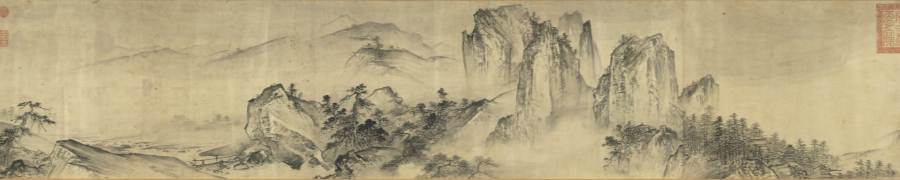
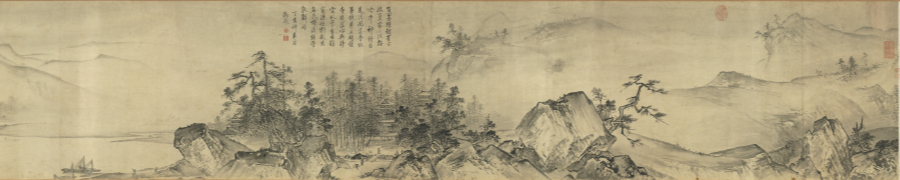
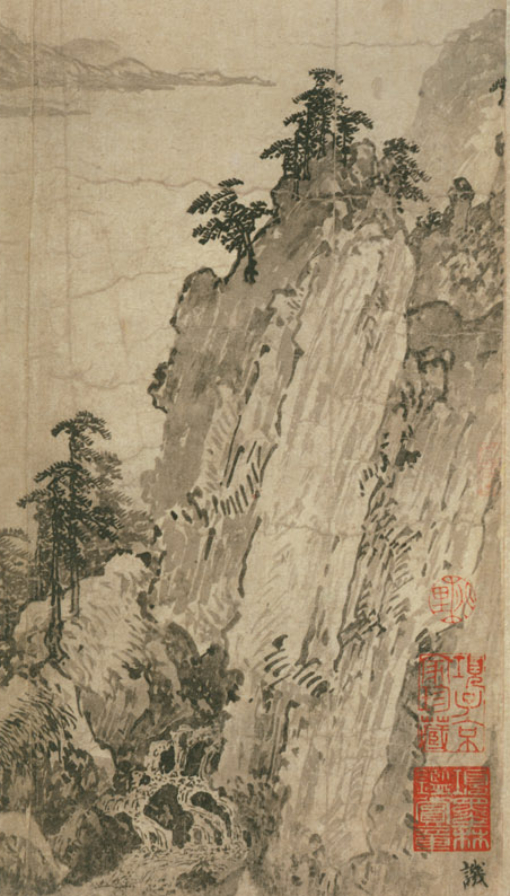
장병언 jang byeong eun 張炳彦 / 편집된 산수 Edited Landscape / Pencil on paper / 157.0 × 28.7 cm / 2020
장병언 jang byeong eun 張炳彦 / 편집된 산수 Edited Landscape / Pen on paper / 157.0 × 28.7 cm / 2020
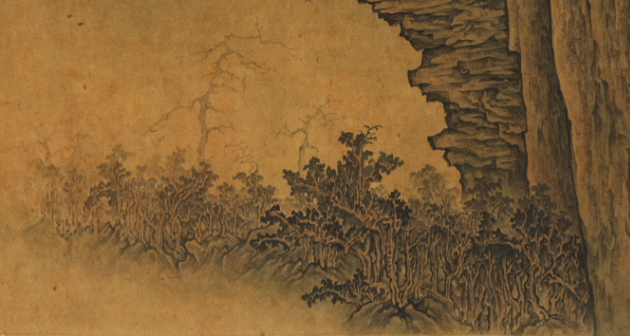
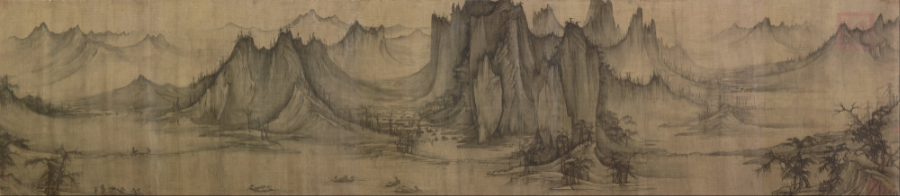
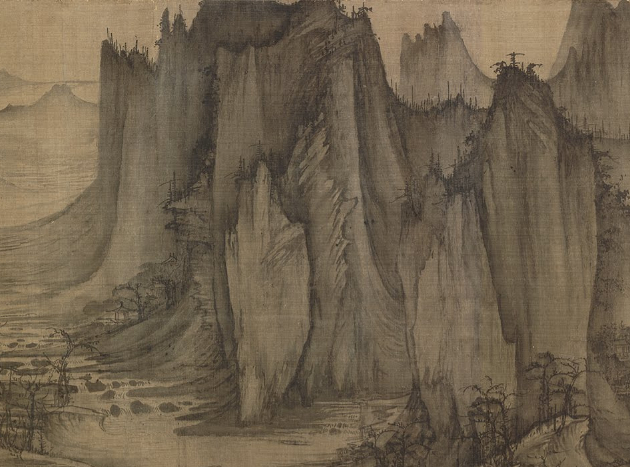
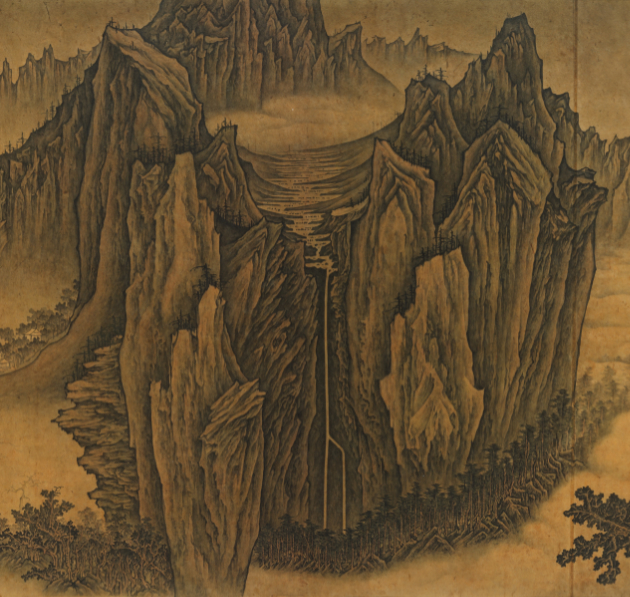
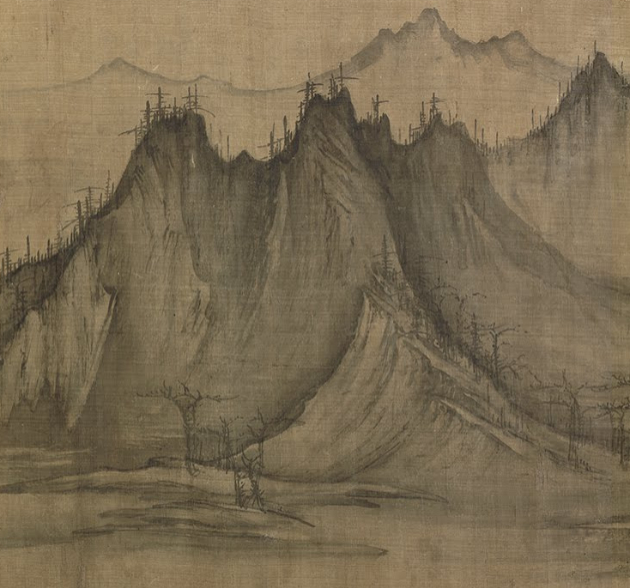
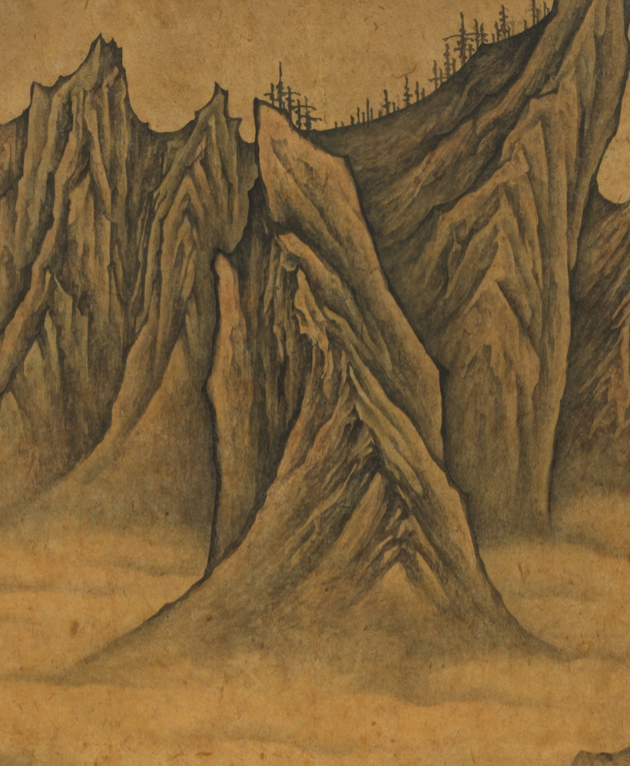
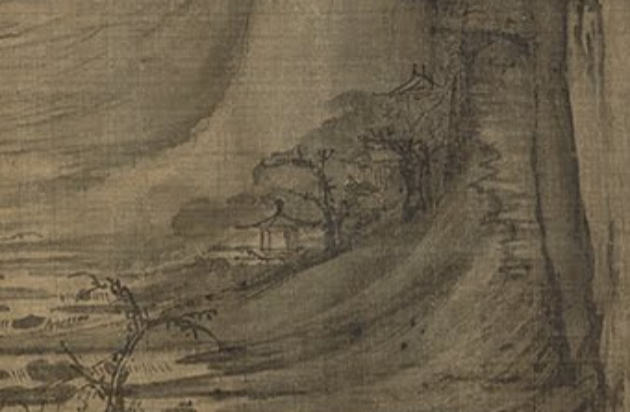
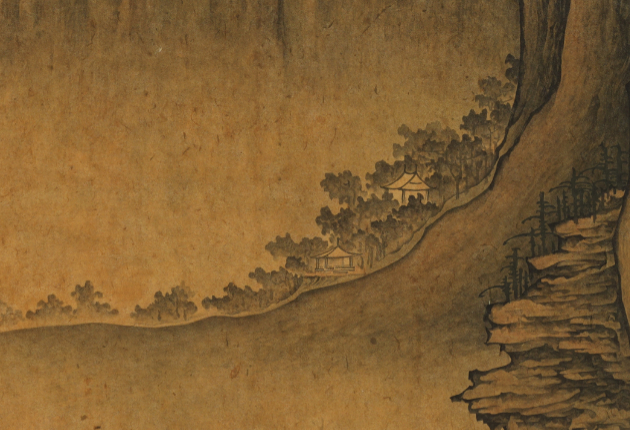
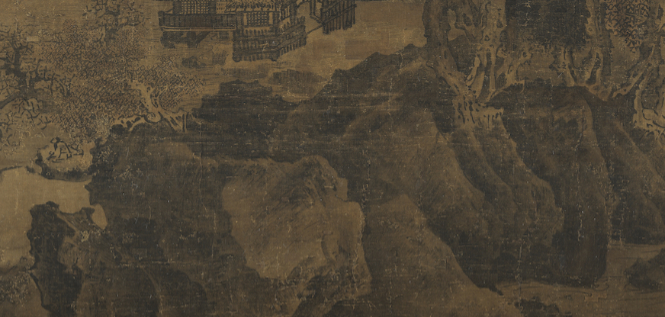
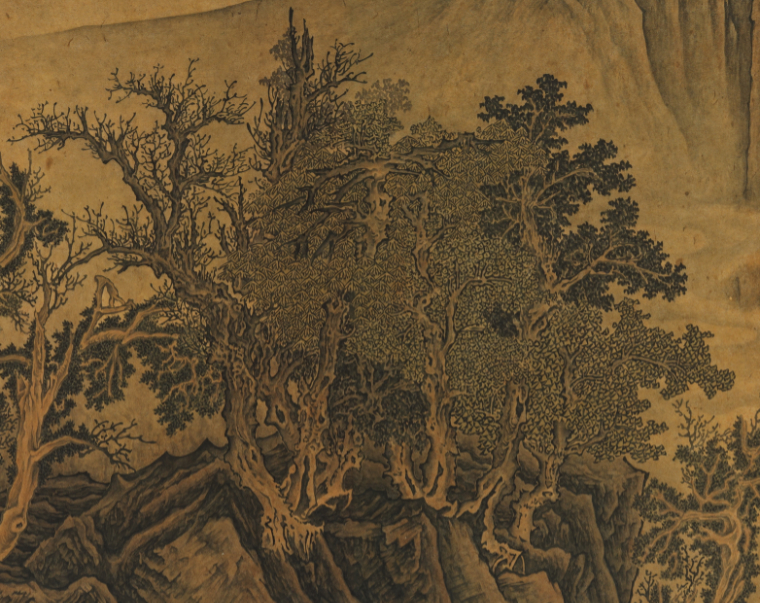
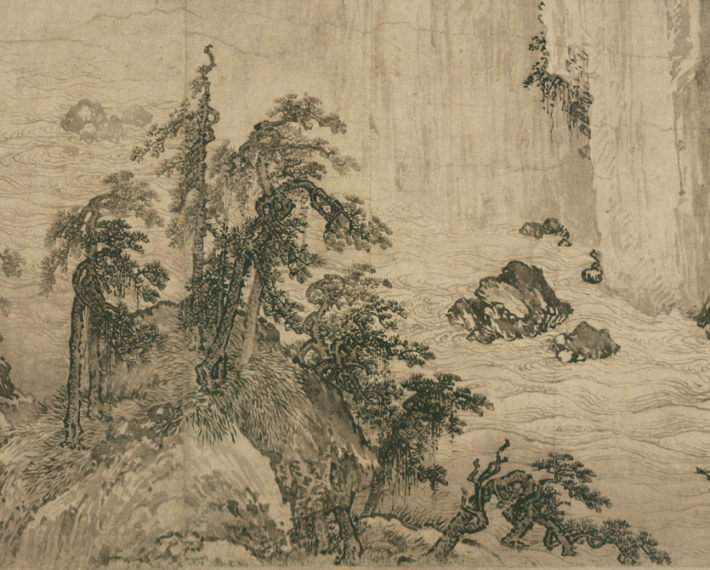
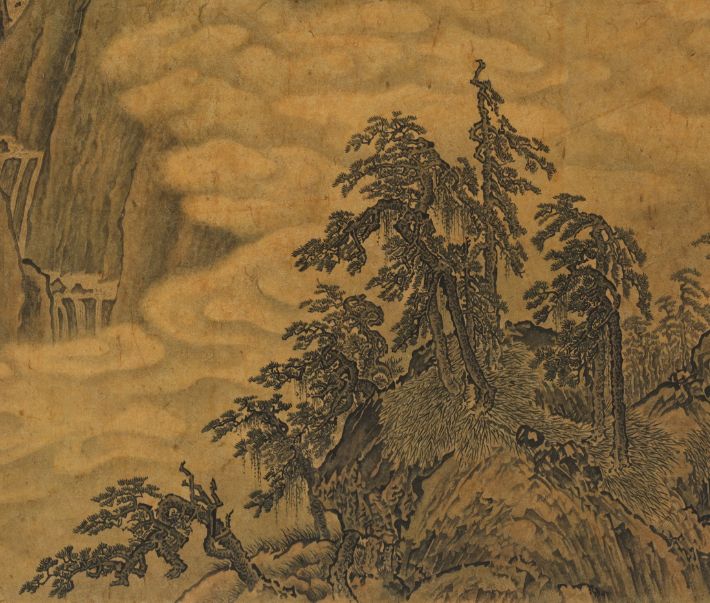
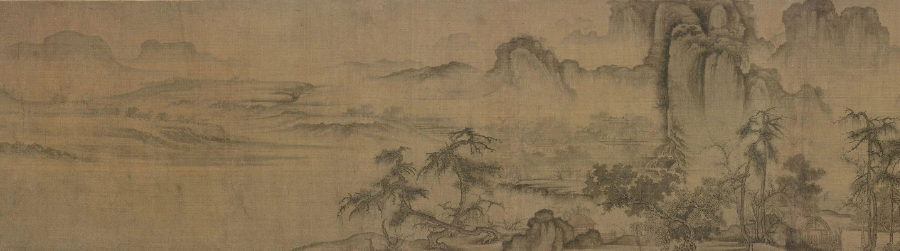
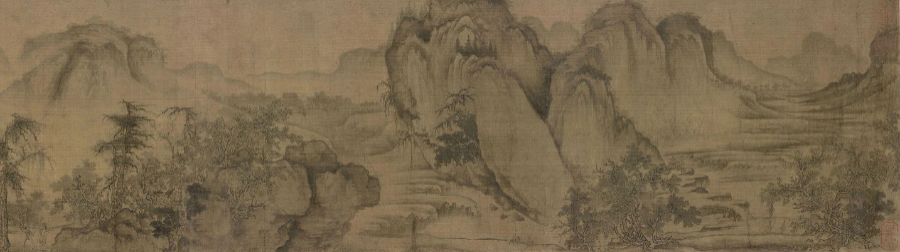
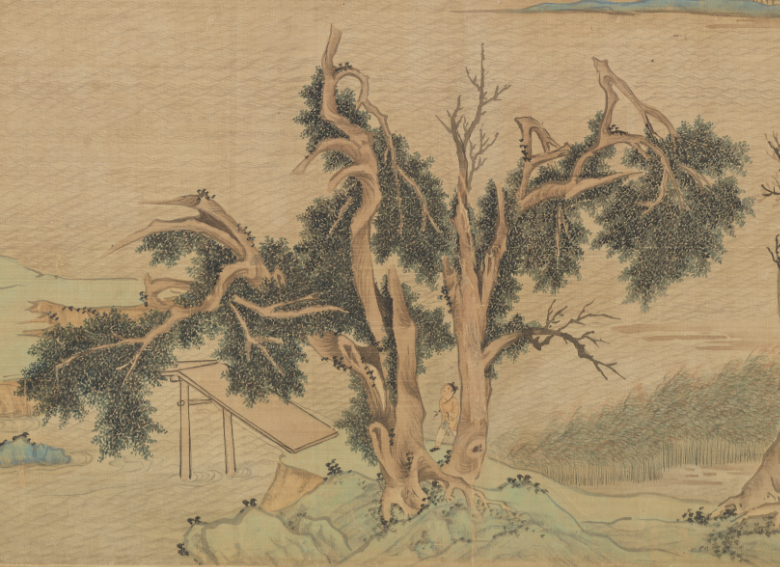
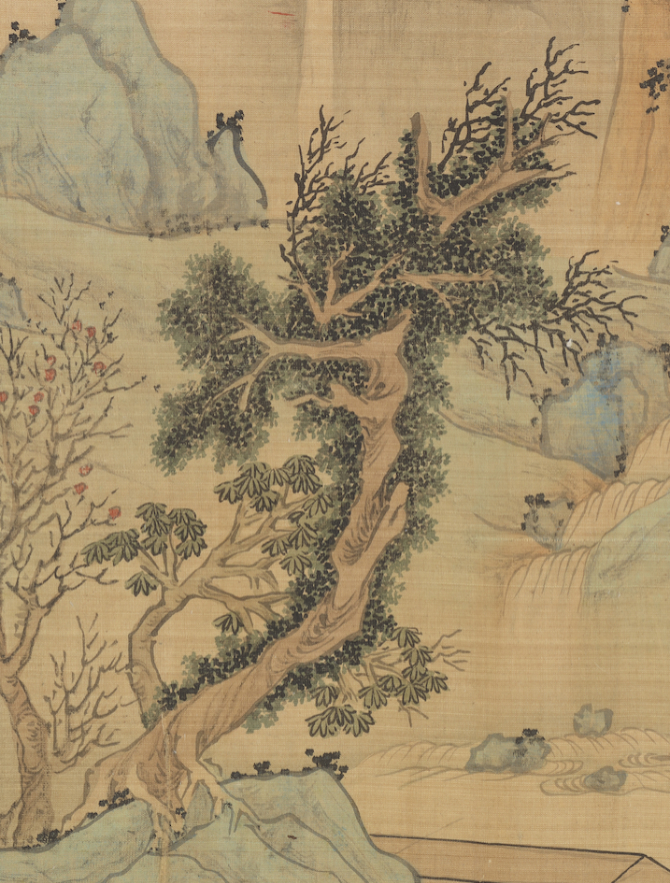
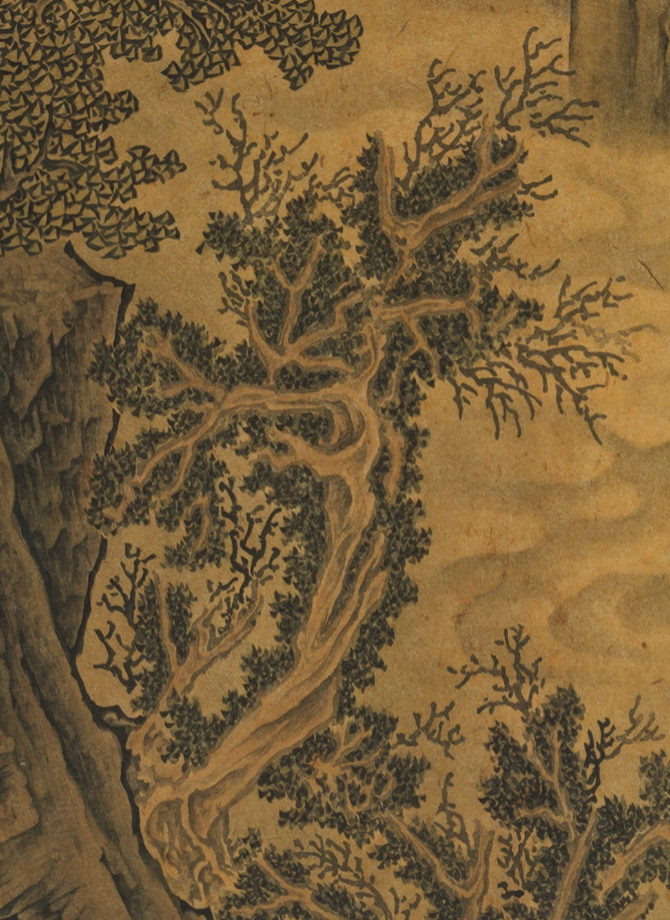
장병언 jang byeong eun 張炳彦 / 편집된 산수 Edited Landscape / Ink and light color on paper / 110.0 × 549.3 cm / 2020
이 작업은 하나의 그림을 완성하기 위한 시도가 아니었다. 오히려 어떤 지점에서 더 이상 손을 대지 못하게 되었는지를 기록하는 과정에 가까웠다.
작업을 시작할 때, 가능한 한 많은 ‘좋은 재료들’을 끌어오고자 했다. 서로 다른 시대의 회화, 서로 다른 대가들의 조형 언어, 이미 검증되었다고 여겨지는 구조와 감각들을 한 화면 안에 밀어 넣는 것이 어쩌면 더 강한 결과로 이어질 것이라 믿었다.
작업 과정에서 특정 화가의 전체 양식을 모사하려 하지는 않았다. 다만 오래 바라봐 온 시대와 회화들 속에서 익숙해진 조형적 감각들을 꺼내어 화면 안에서 재배치했다. 이 과정은 창작이라기보다 조합에 가까웠고, 나 스스로에게도 하나의 실험이었다.
그러나 시간이 흐를수록 화면은 하나의 방향으로 수렴하지 못했다. 각각의 조형은 저마다 충분히 강했지만, 그 힘들은 하나의 감각으로 정리되지 못한 채 서로 충돌했다. 점점 무엇을 더해야 할지보다 어디에서 멈춰야 하는지를 고민하게 되었다.
이 작업, 〈편집된 산수〉를 손에서 놓기까지 약 1년 반의 시간이 걸렸다. 완성되었다고 판단해서가 아니라, 이 화면이 더 이상 하나의 감각으로 정리되지 않았기 때문이다.
이 작업에서 느낀 감정은 실패라기보다 붕괴에 가까웠다. 처음에는 엄청난 욕심과 욕망으로 출발했고, 마지막에는 그 욕심과 욕망 때문에 붕괴되었다.
이것은 겉으로는 모순처럼 보이지만, 내 안에서는 아주 정직한 인과였다. 욕망이 컸기 때문에 기대치는 비정상적으로 높아졌고, 그 기대치를 작품이 감당하지 못했을 때 무너진 것은 작품이 아니었다.
무너진 건 작품이 아니라 그 작품을 바라보던 내 감정 구조였다.
어쩌면 붕괴된 것은 화면일 수도 있고, 그 화면에 기대를 걸었던 욕망일 수도 있다. 혹은 ‘최고의 재료들을 사용하면 더 나은 결과에 도달할 수 있을 것’이라는 전제였을지도 모른다.
이 작업은 성공이나 실패를 판단하기 위한 결과물이 아니다. 다만 한 작가가 자신의 욕망과 기대, 그리고 감정의 전제가 무너지는 순간을 하나의 작업으로 남긴 기록이다.
This work was not an attempt to complete a single painting. Rather, it was closer to a process of recording the point at which I could no longer continue.
When I began the work, I tried to draw in as many “good materials” as possible. Paintings from different eras, the formal languages of different masters, structures and sensibilities that were already considered proven— I believed that compressing all of them into a single surface might lead to a stronger result.
During the process, I did not intend to imitate the complete style of any particular painter. Instead, I extracted formal sensibilities that had become familiar to me through long contemplation of certain periods and works, and rearranged them within the frame. The process was closer to combination than creation, and it was also an experiment for myself.
However, as time passed, the surface failed to converge toward a single direction. Each formal element was strong in its own right, yet those forces did not resolve into a unified sensibility. They collided. Gradually, the question shifted from what needed to be added to where it should stop.
It took about a year and a half before I was able to set down this work, Edited Landscape. Not because I believed it was complete, but because the surface no longer organized itself into a coherent sensibility.
What I felt in this work was not exactly failure, but something closer to collapse. It began with immense desire and ambition, and it ended by collapsing under the weight of that very desire.
Outwardly, this may appear contradictory, but internally it felt like an honest causality. Because the desire was so large, the expectations became abnormally high. And when the work could not sustain those expectations, what collapsed was not the painting itself.
What collapsed was not the work, but the emotional structure through which I was looking at it.
Perhaps what collapsed was the surface. Or perhaps it was the desire placed upon that surface. Or even the premise itself— that “using the finest materials” would inevitably lead to a better result.
This work is not a result meant to judge success or failure. It is simply a record— of a painter witnessing the moment when his own desire, expectations, and emotional premises began to fall apart.
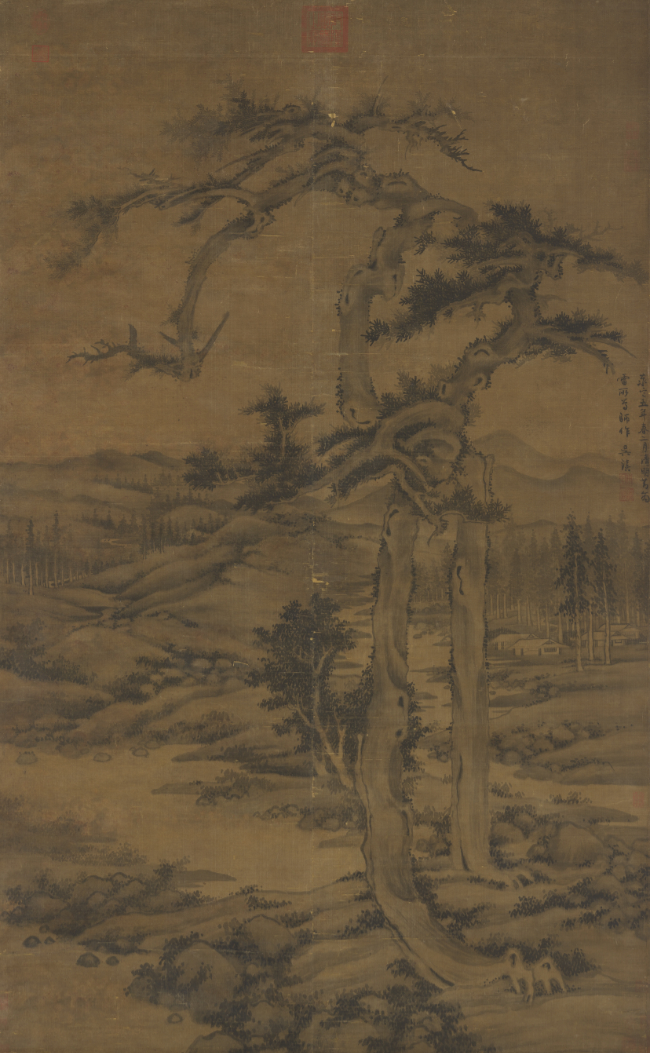
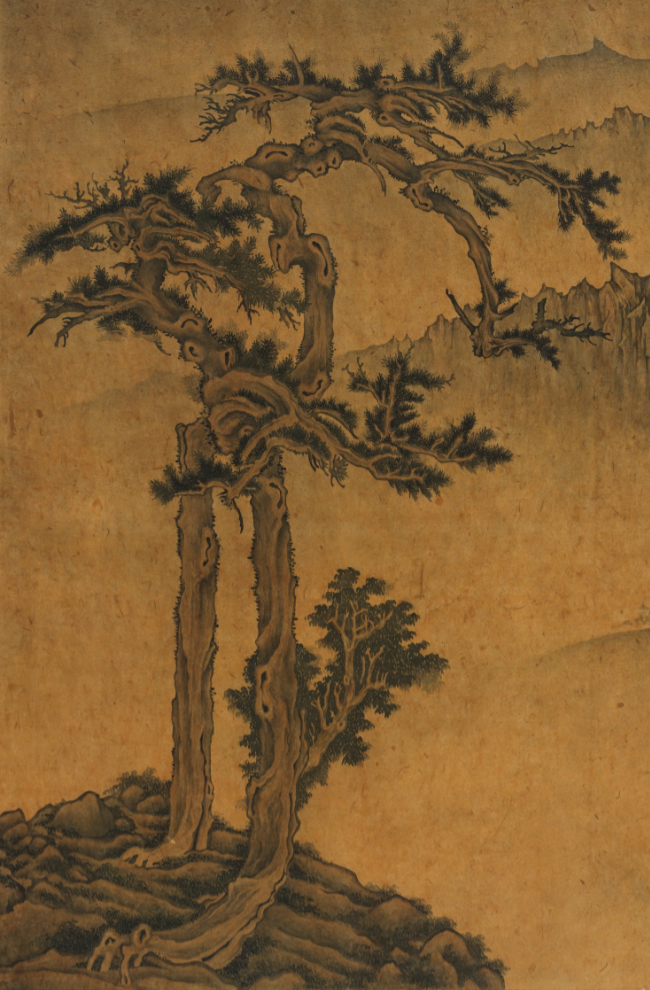
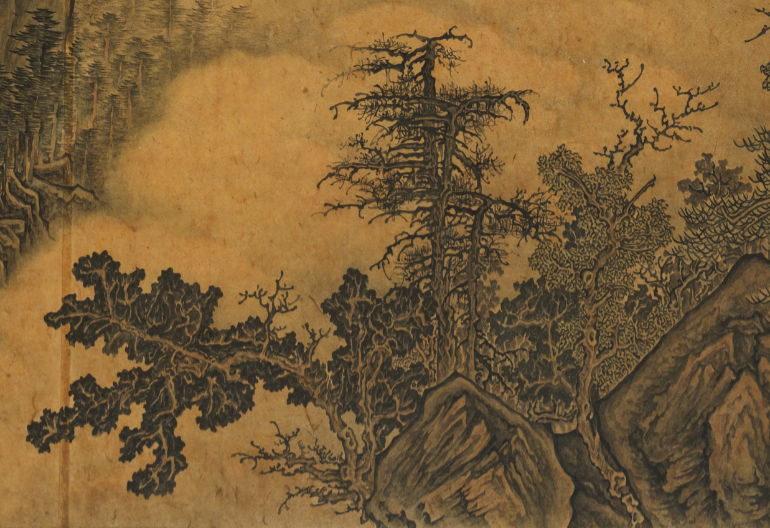
오진 Wu Zhen 吳鎮 / 쌍송도 Twin Pines / Ink on paper / 180.1 × 111.4 cm / 1328 (Yuan Dynasty, Taiding 5th year) / National Palace Museum, Taipei장병언 jang byeong eun 張炳彦 / 편집된 산수 Edited Landscape (detail) / Ink and light color on paper / 110.0 × 549.3 cm / 2020
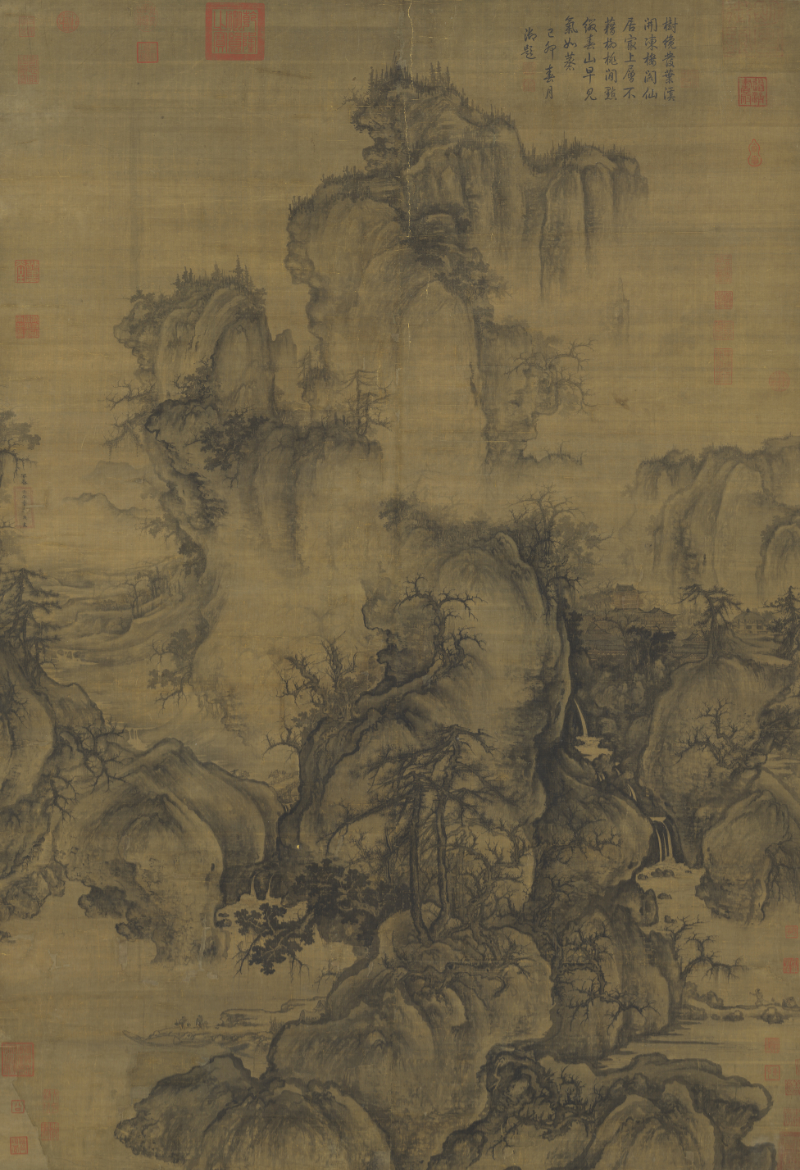
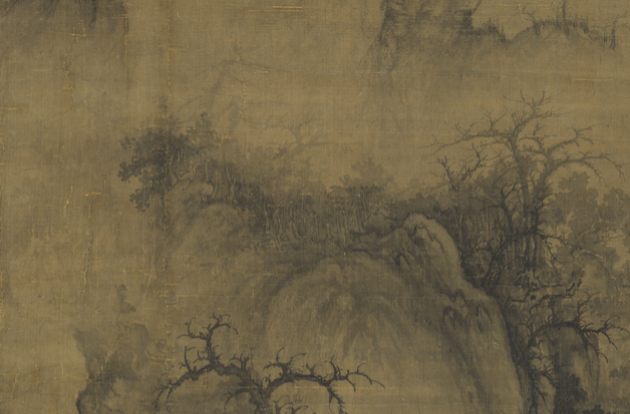
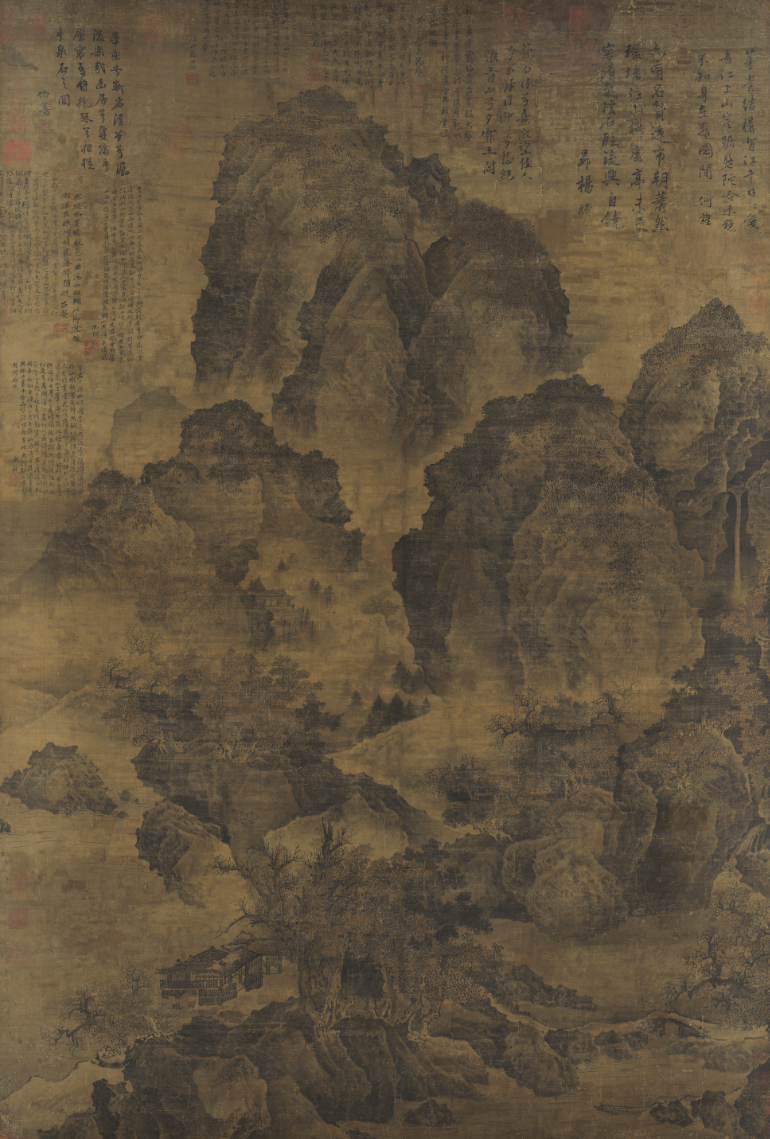
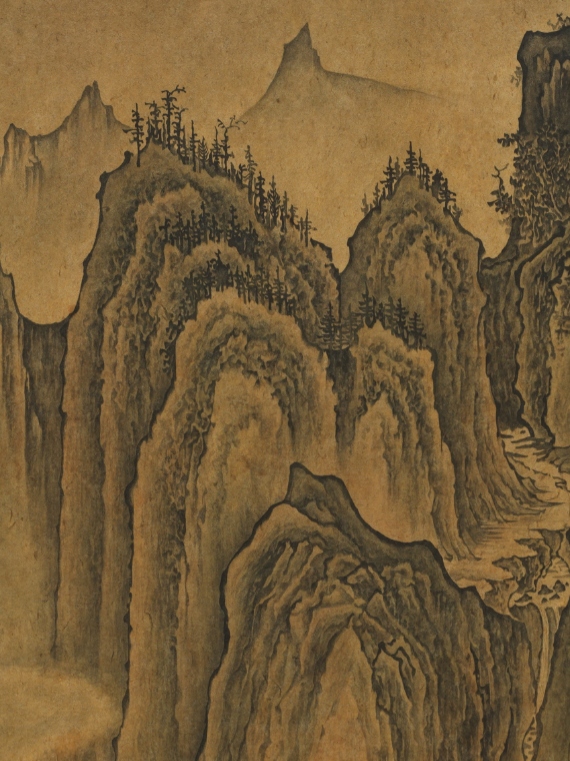
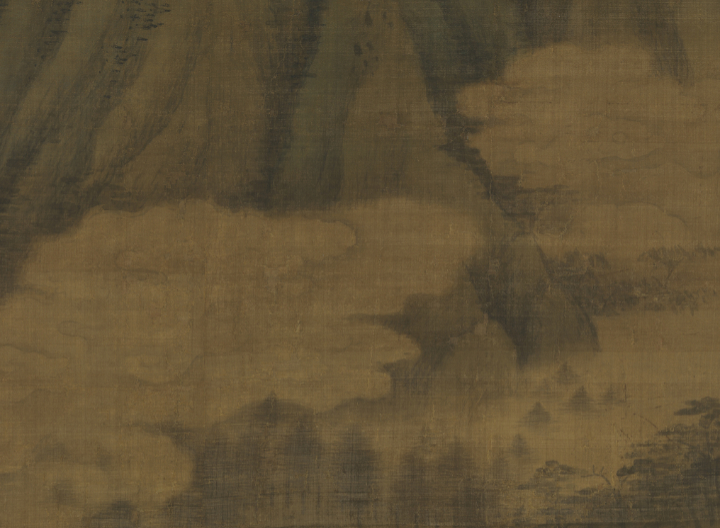
곽희 Guo Xi 郭熙 / 조춘도 Early Spring / Ink on silk / 158.3 × 108.1 cm / 1072 (Northern Song Dynasty, Xining 5th year) / National Palace Museum, Taipei곽희 Guo Xi 郭熙 / 조춘도 Early Spring (detail) / Ink on silk / 158.3 × 108.1 cm / 1072 (Northern Song Dynasty, Xining 5th year) / National Palace Museum, Taipei장병언 jang byeong eun 張炳彦 / 편집된 산수 Edited Landscape (detail) / Ink and light color on paper / 110.0 × 549.3 cm / 2020
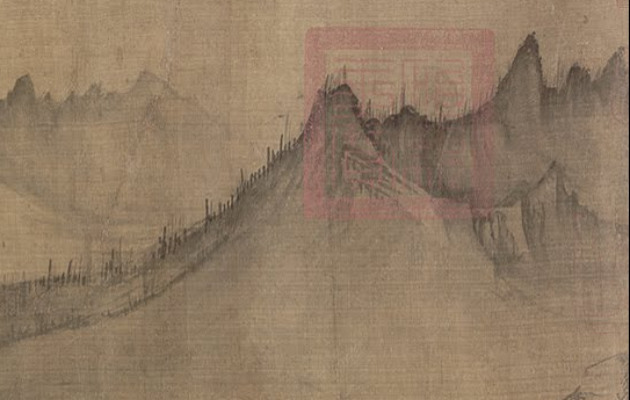
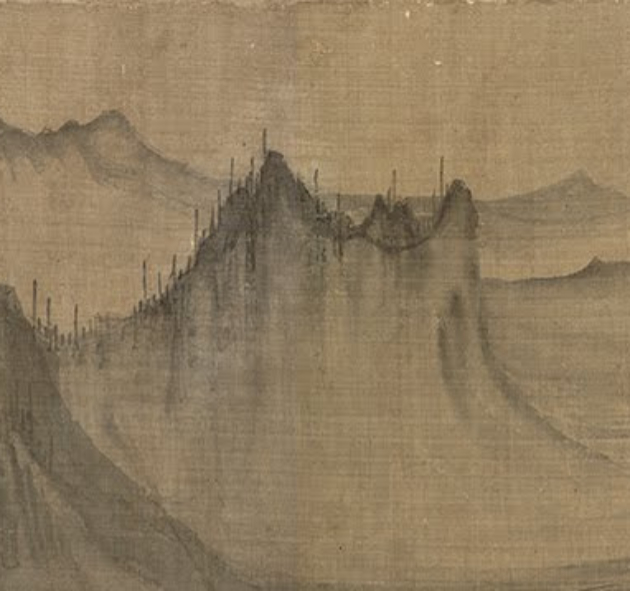
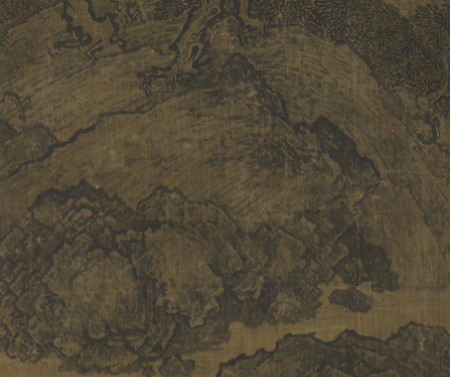
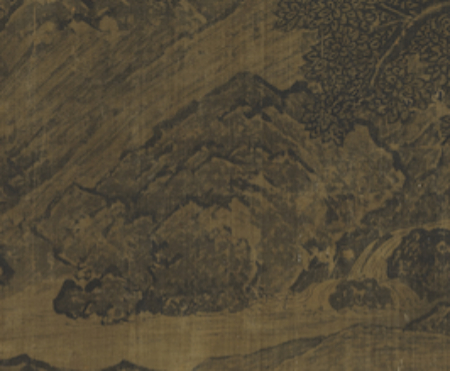
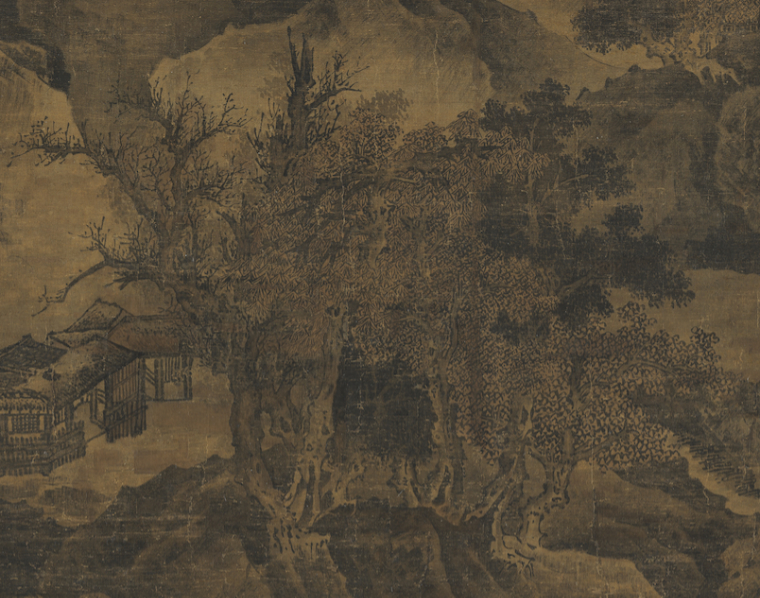
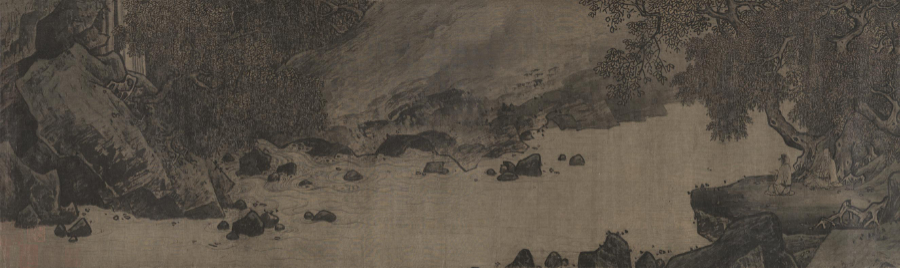
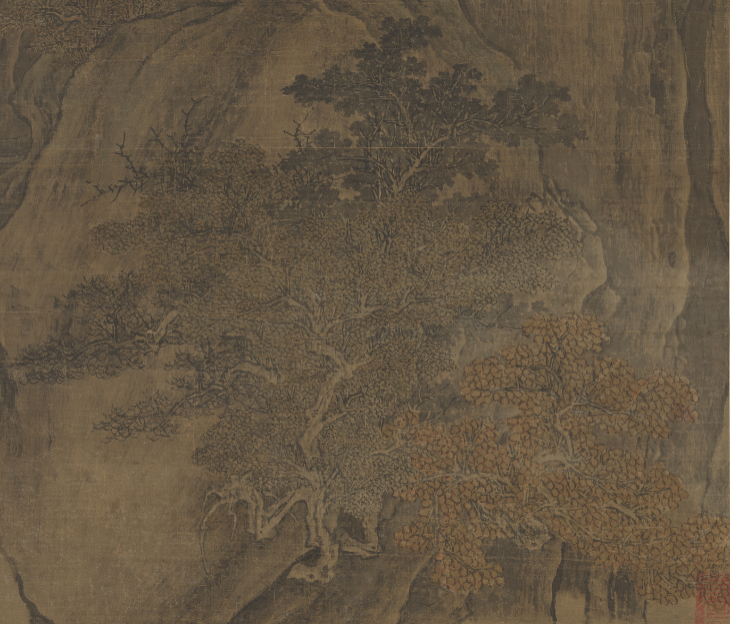
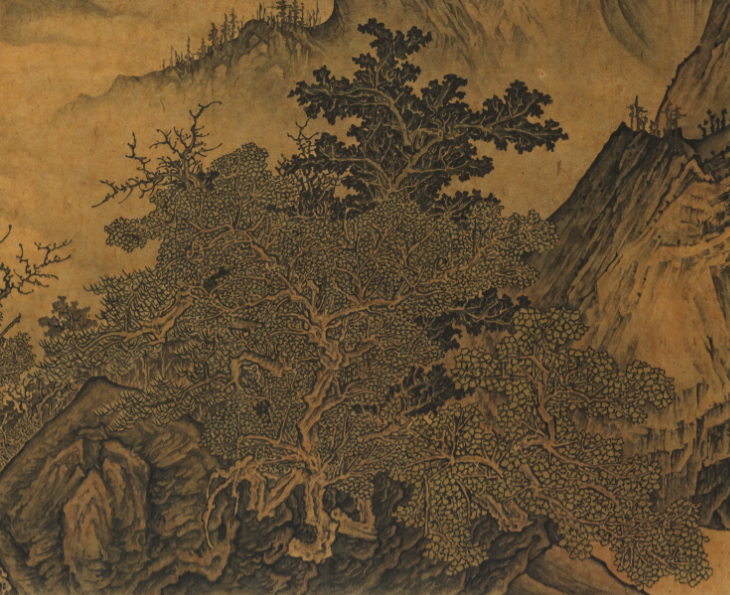
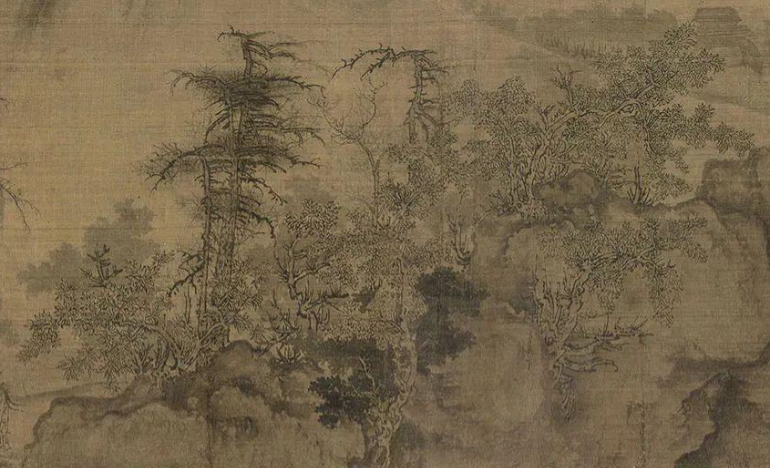
허도녕 Xu Daoning 許道寧 / 추강어정도 Autumn River and Fishing Boats / Ink on silk / 48.26 × 225.42 cm / c. 1049 (Northern Song Dynasty) / Nelson-Atkins Museum of Art, Missouri허도녕 Xu Daoning 許道寧 / 추강어정도 Autumn River and Fishing Boats (detail) / Ink on silk / 48.26 × 225.42 cm / c. 1049 (Northern Song Dynasty) / Nelson-Atkins Museum of Art, Missouri장병언 jang byeong eun 張炳彦 / 편집된 산수 Edited Landscape (detail) / Ink and light color on paper / 110.0 × 549.3 cm / 2020
허도녕 Xu Daoning 許道寧 / 추강어정도 Autumn River and Fishing Boats (detail) / Ink on silk / 48.26 × 225.42 cm / c. 1049 (Northern Song Dynasty) / Nelson-Atkins Museum of Art, Missouri장병언 jang byeong eun 張炳彦 / 편집된 산수 Edited Landscape (detail) / Ink and light color on paper / 110.0 × 549.3 cm / 2020
허도녕 Xu Daoning 許道寧 / 추강어정도 Autumn River and Fishing Boats (detail) / Ink on silk / 48.26 × 225.42 cm / c. 1049 (Northern Song Dynasty) / Nelson-Atkins Museum of Art, Missouri장병언 jang byeong eun 張炳彦 / 편집된 산수 Edited Landscape (detail) / Ink and light color on paper / 110.0 × 549.3 cm / 2020
허도녕 Xu Daoning 許道寧 / 추강어정도 Autumn River and Fishing Boats (detail) / Ink on silk / 48.26 × 225.42 cm / c. 1049 (Northern Song Dynasty) / Nelson-Atkins Museum of Art, Missouri장병언 jang byeong eun 張炳彦 / 편집된 산수 Edited Landscape (detail) / Ink and light color on paper / 110.0 × 549.3 cm / 2020
허도녕 Xu Daoning 許道寧 / 추강어정도 Autumn River and Fishing Boats (detail) / Ink on silk / 48.26 × 225.42 cm / c. 1049 (Northern Song Dynasty) / Nelson-Atkins Museum of Art, Missouri장병언 jang byeong eun 張炳彦 / 편집된 산수 Edited Landscape (detail) / Ink and light color on paper / 110.0 × 549.3 cm / 2020
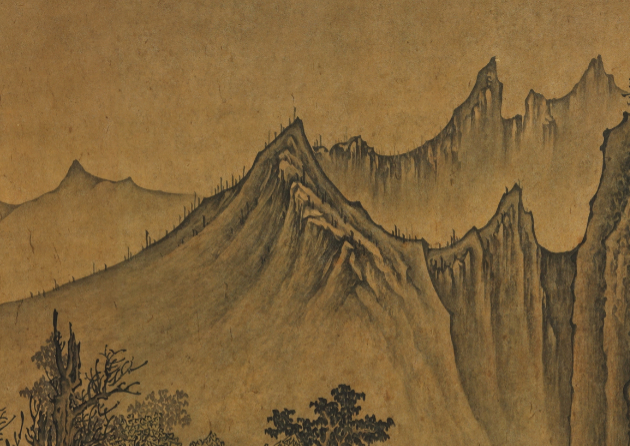
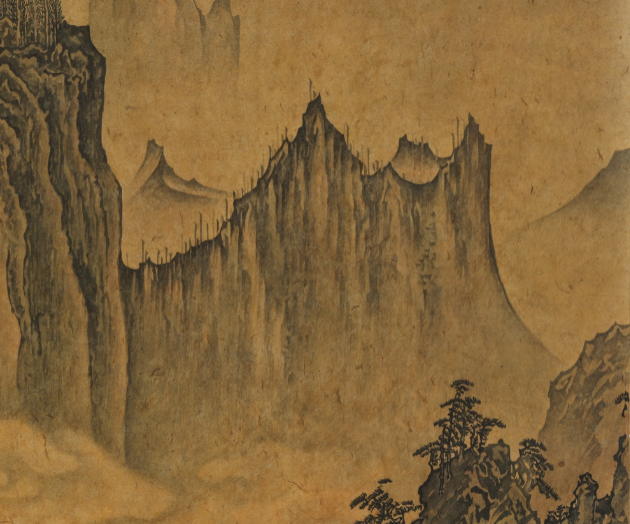
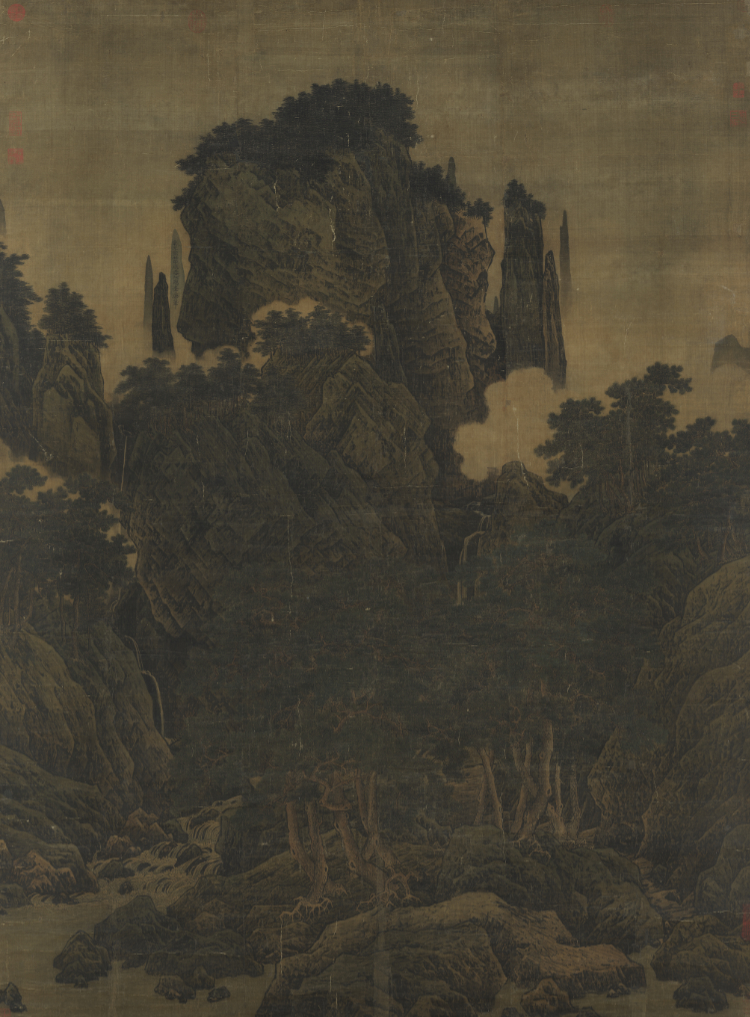
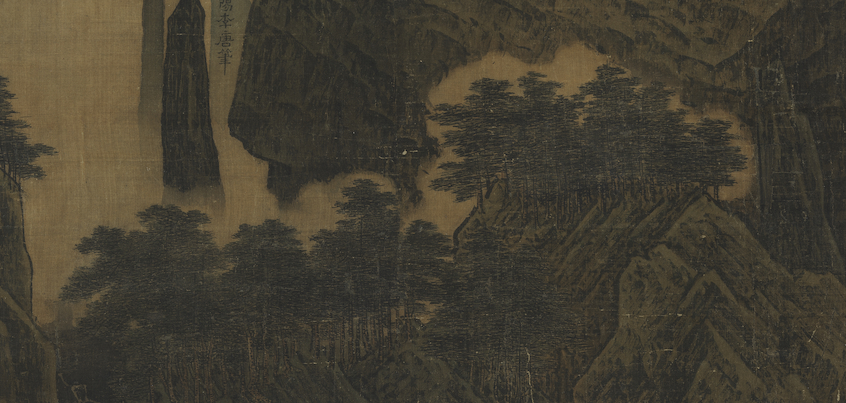
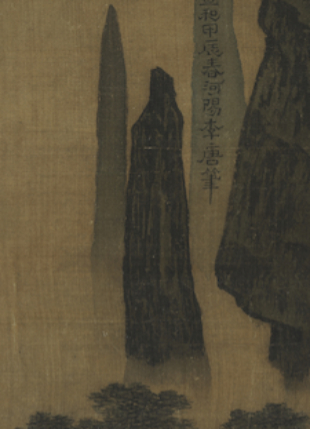
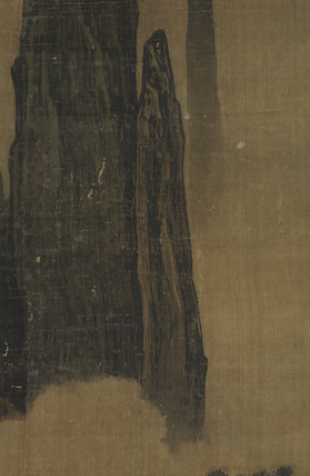
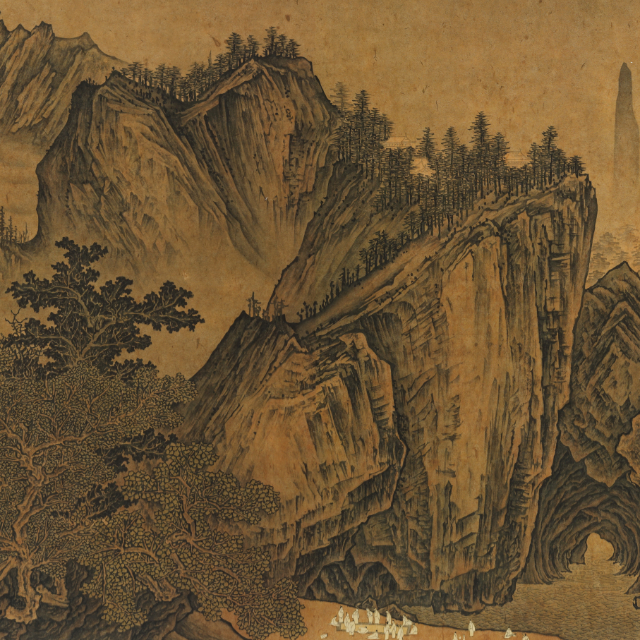
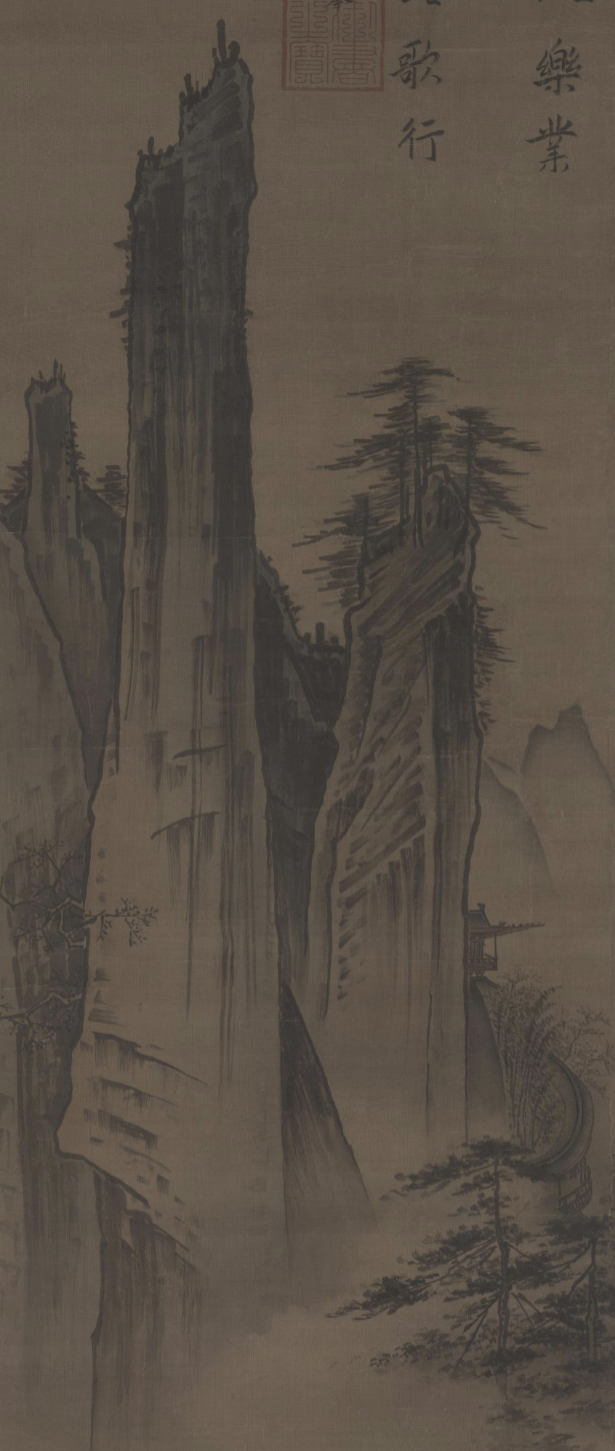
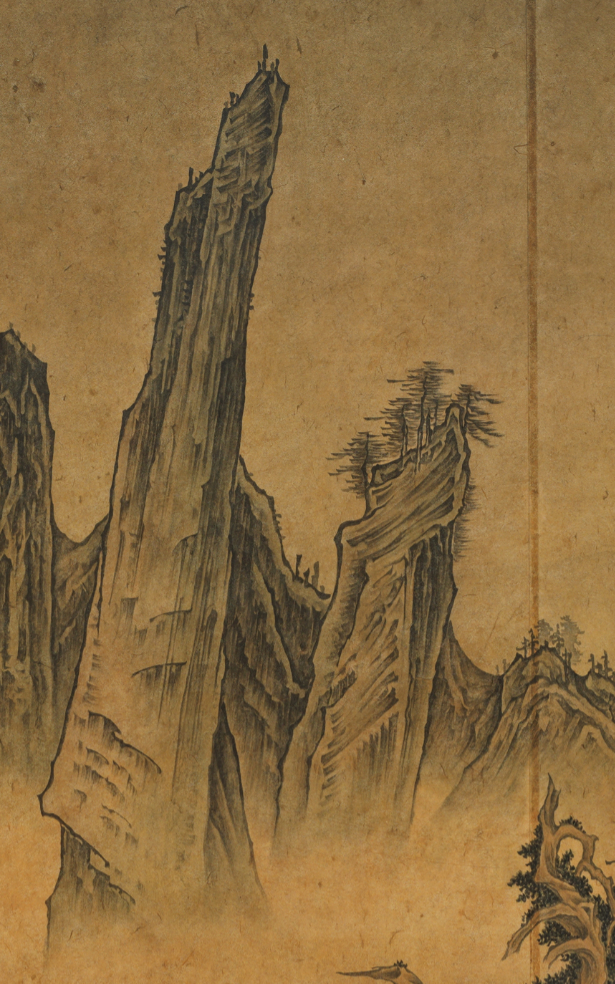
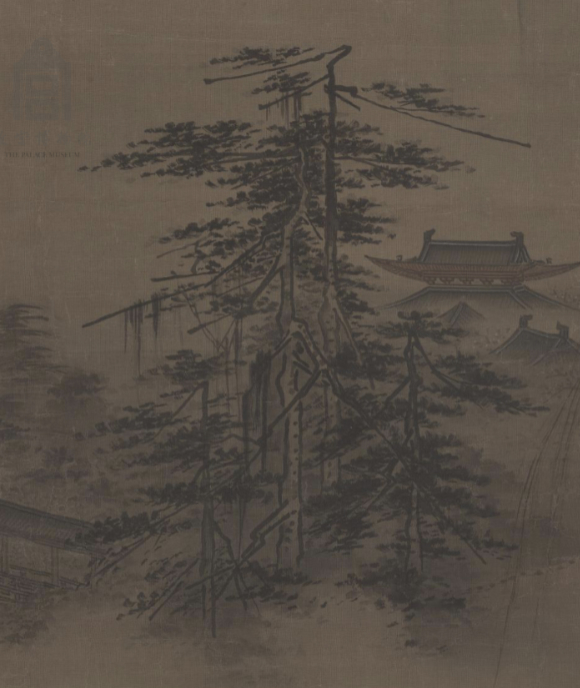
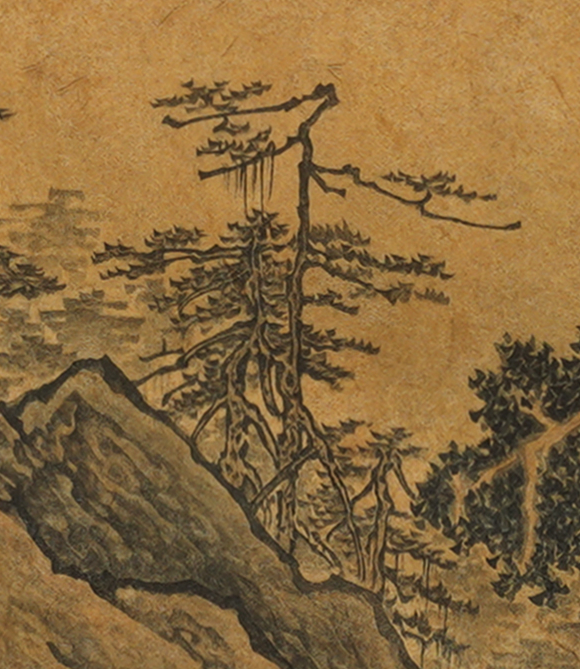
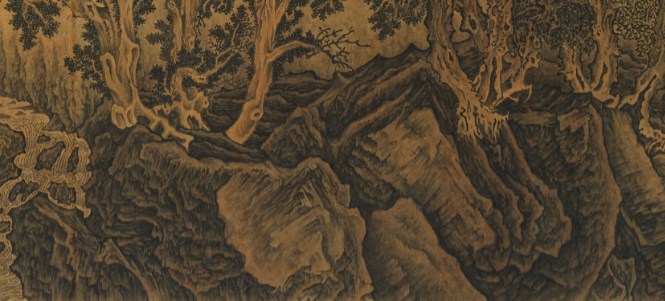
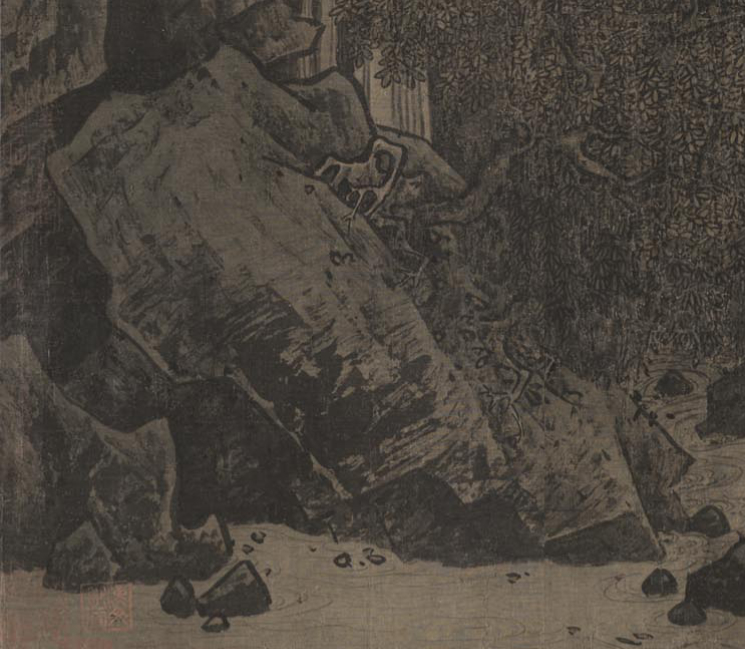
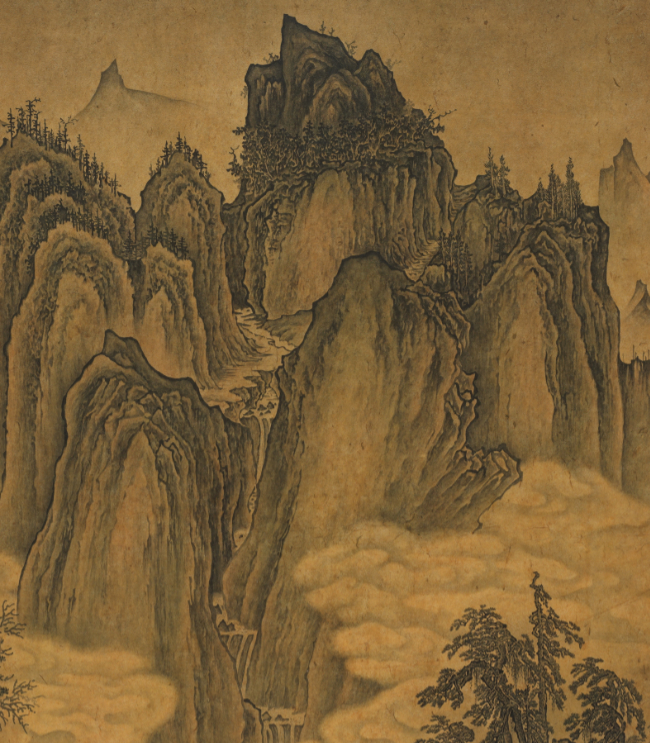
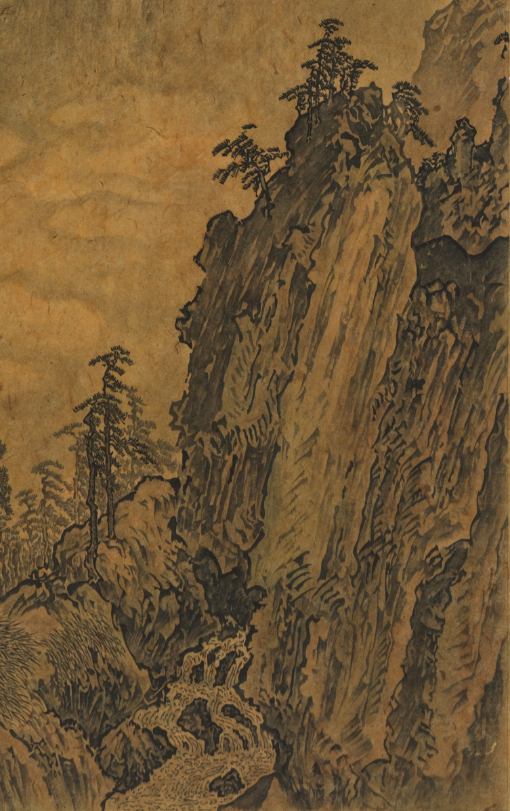
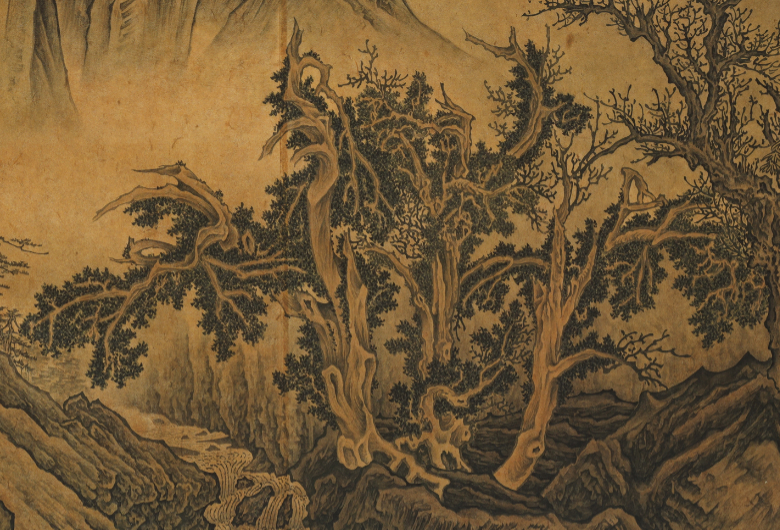
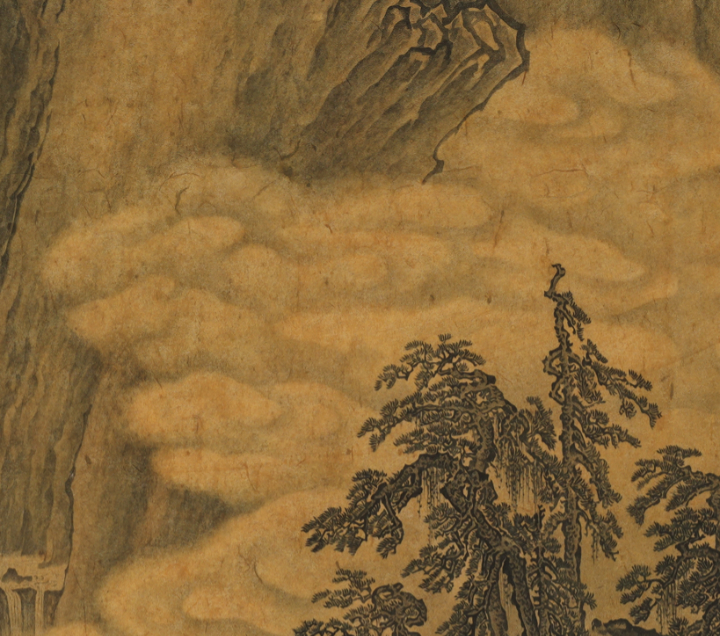
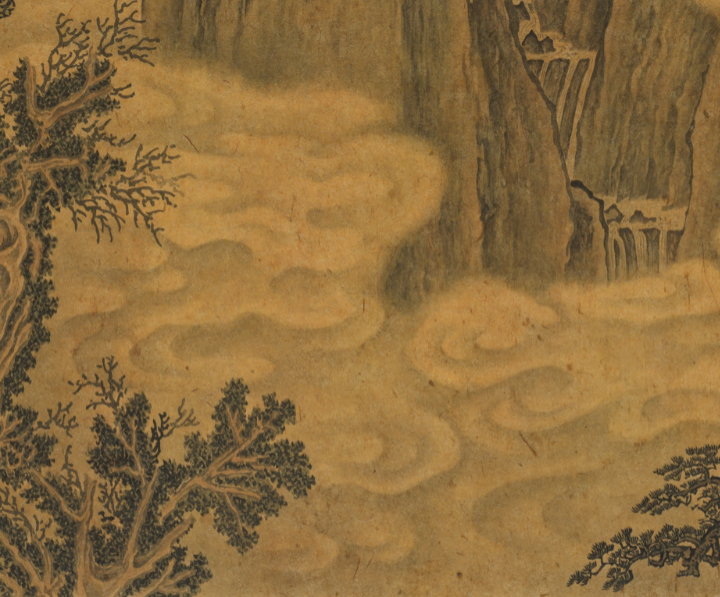
이당 Li Tang 李唐 / 만학송풍도 Wind in Pines Among a Myriad Valleys / Ink and light color on silk / 188.7 × 139.8 cm / 1124 (Late Northern Song to early Southern Song period) / National Palace Museum, Taipei이당 Li Tang 李唐 / 만학송풍도 Wind in Pines Among a Myriad Valleys (detail) / Ink and light color on silk / 188.7 × 139.8 cm / 1124 (Late Northern Song to early Southern Song period) / National Palace Museum, Taipei장병언 jang byeong eun 張炳彦 / 편집된 산수 Edited Landscape (detail) / Ink and light color on paper / 110.0 × 549.3 cm / 2020
이당 Li Tang 李唐 / 만학송풍도 Wind in Pines Among a Myriad Valleys (detail) / Ink and light color on silk / 188.7 × 139.8 cm / 1124 (Late Northern Song to early Southern Song period) / National Palace Museum, Taipei이당 Li Tang 李唐 / 만학송풍도 Wind in Pines Among a Myriad Valleys (detail) / Ink and light color on silk / 188.7 × 139.8 cm / 1124 (Late Northern Song to early Southern Song period) / National Palace Museum, Taipei장병언 jang byeong eun 張炳彦 / 편집된 산수 Edited Landscape (detail) / Ink and light color on paper / 110.0 × 549.3 cm / 2020
이당 Li Tang 李唐 / 만학송풍도 Wind in Pines Among a Myriad Valleys (detail) / Ink and light color on silk / 188.7 × 139.8 cm / 1124 (Late Northern Song to early Southern Song period) / National Palace Museum, Taipei장병언 jang byeong eun 張炳彦 / 편집된 산수 Edited Landscape (detail) / Ink and light color on paper / 110.0 × 549.3 cm / 2020
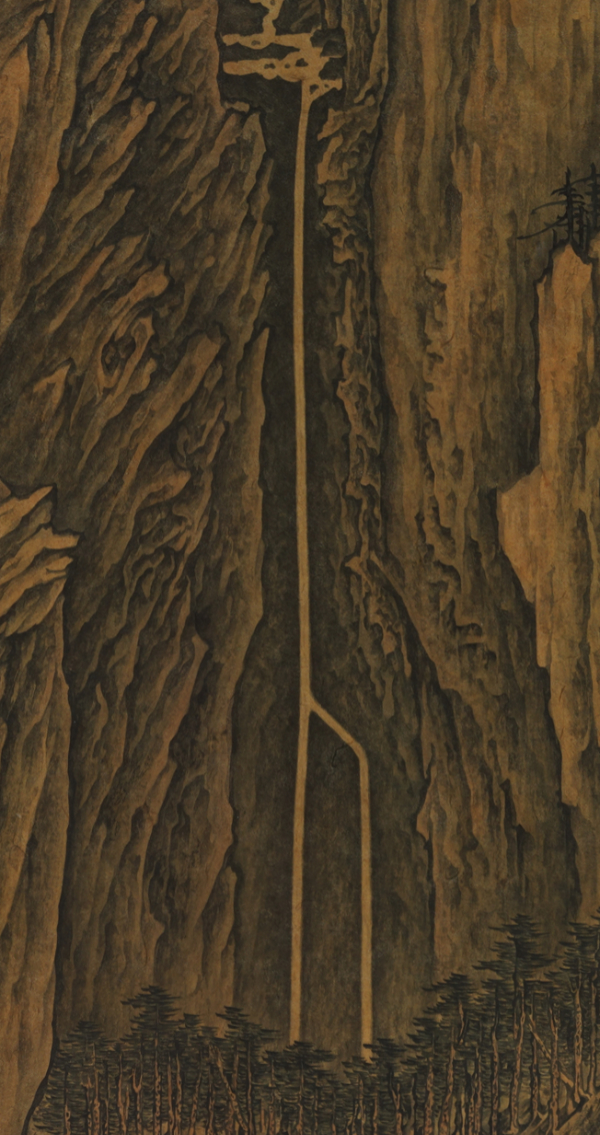
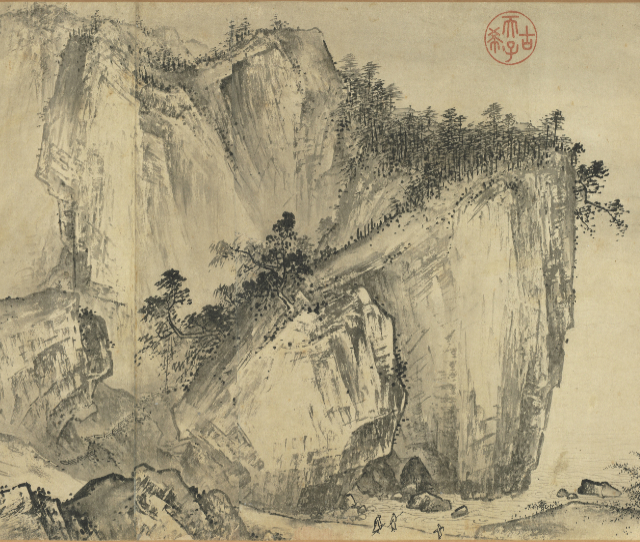
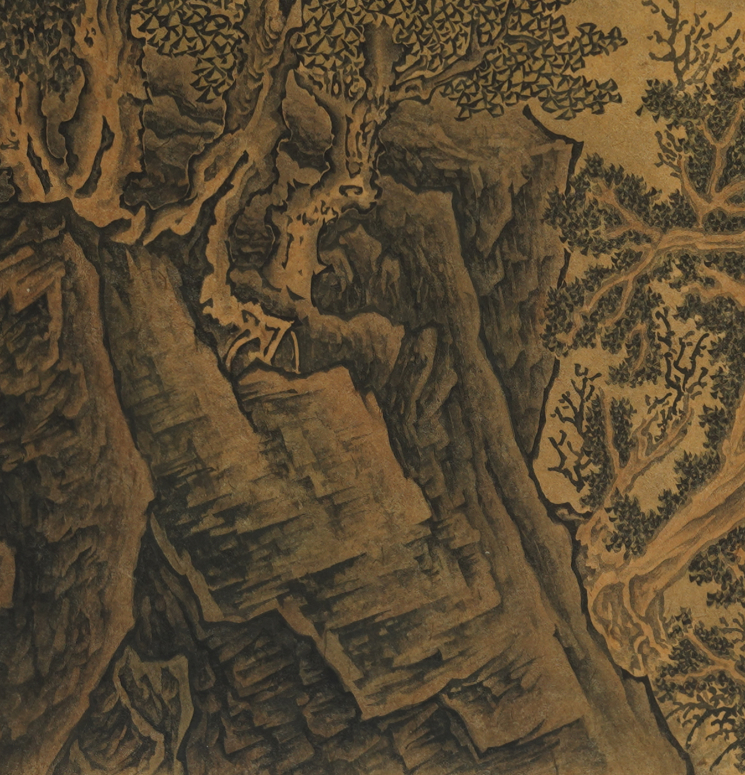
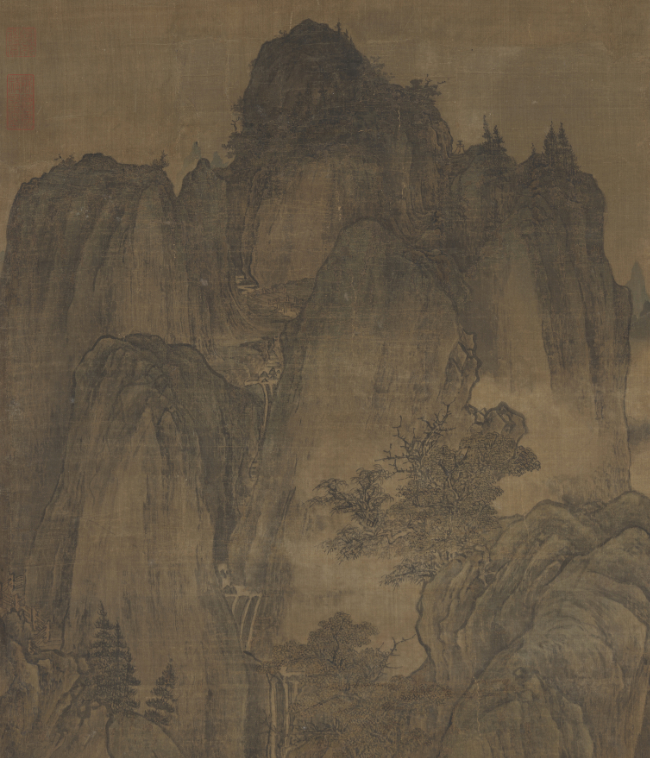
범관 Fan Kuan 范寬 / 계산행려도 Travelers Among Mountains and Streams / Ink on silk / 206.3 × 103.3 cm / early 11th century (Northern Song Dynasty) / National Palace Museum, Taipei범관 Fan Kuan 范寬 / 계산행려도 Travelers Among Mountains and Streams (detail) / Ink on silk / 206.3 × 103.3 cm / early 11th century (Northern Song Dynasty) / National Palace Museum, Taipei장병언 jang byeong eun 張炳彦 / 편집된 산수 Edited Landscape (detail) / Ink and light color on paper / 110.0 × 549.3 cm / 2020
범관 Fan Kuan 范寬 / 계산행려도 Travelers Among Mountains and Streams (detail) / Ink on silk / 206.3 × 103.3 cm / early 11th century (Northern Song Dynasty) / National Palace Museum, Taipei장병언 jang byeong eun 張炳彦 / 편집된 산수 Edited Landscape (detail) / Ink and light color on paper / 110.0 × 549.3 cm / 2020
범관 Fan Kuan 范寬 / 계산행려도 Travelers Among Mountains and Streams (detail) / Ink on silk / 206.3 × 103.3 cm / early 11th century (Northern Song Dynasty) / National Palace Museum, Taipei장병언 jang byeong eun 張炳彦 / 편집된 산수 Edited Landscape (detail) / Ink and light color on paper / 110.0 × 549.3 cm / 2020
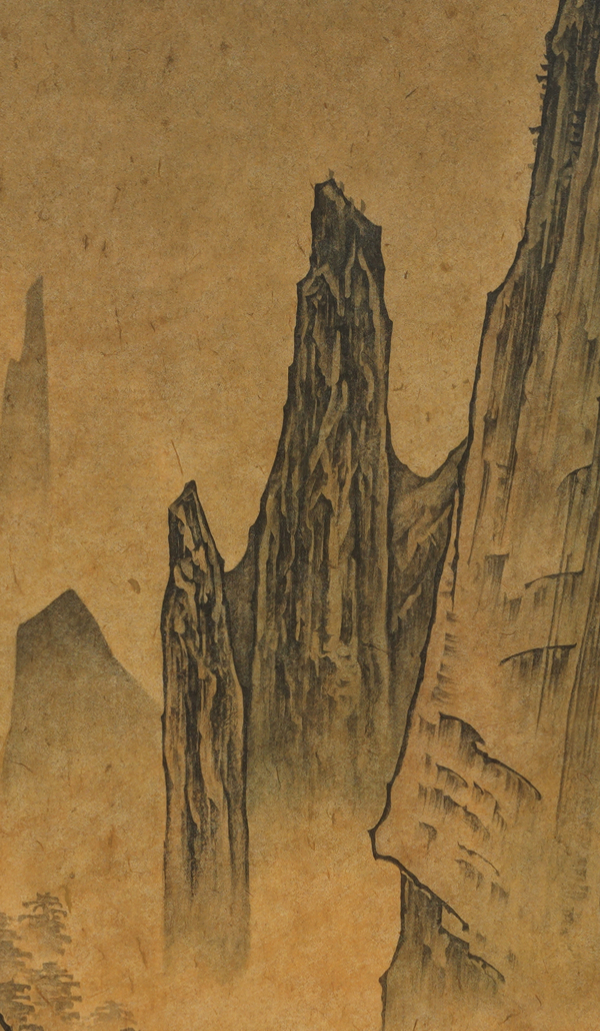
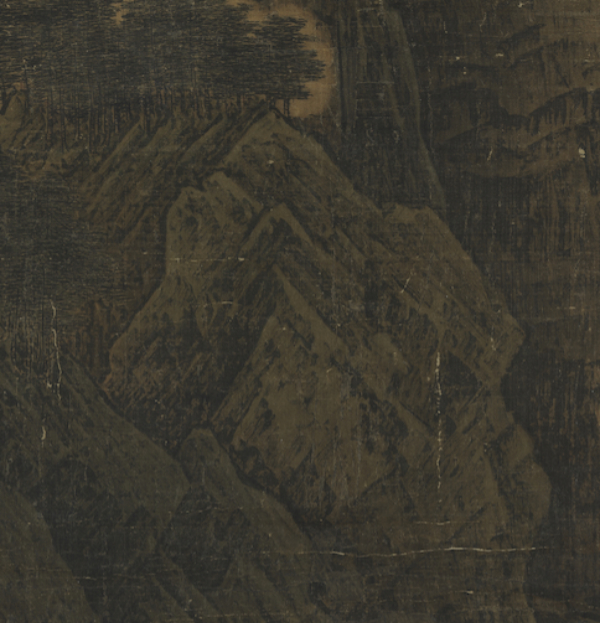
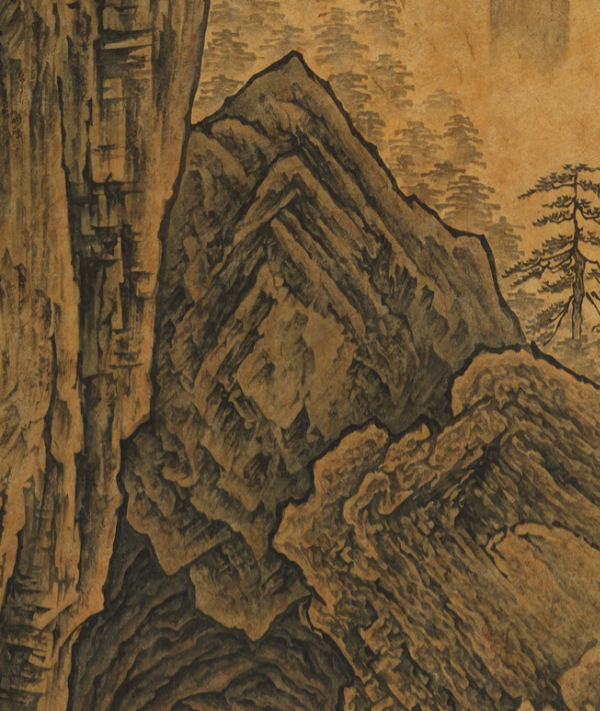
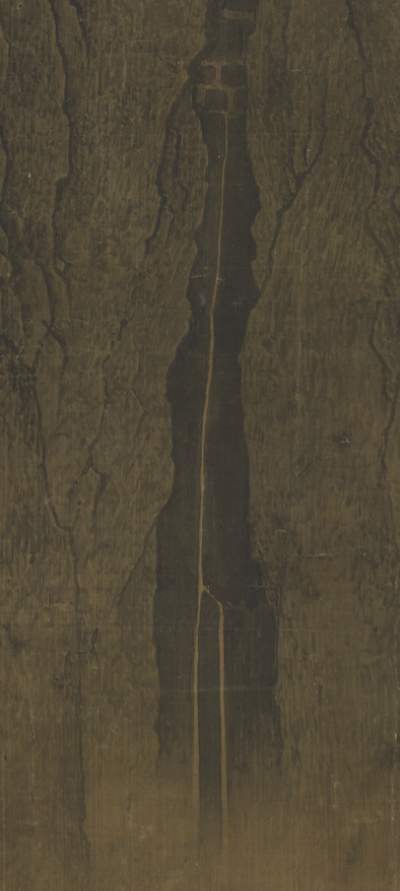
나는 전통을 답습하려 한 것이 아니라, 오랜 시간 체화해 온 회화의 구조를 하나의 장치처럼 해체하여, 다른 질서로 재구성하고자 했다.
I did not seek to imitate tradition; rather, I aimed to dismantle the structures of painting that I had long internalized, as if they were a mechanism, and to reconstruct them within a different order.
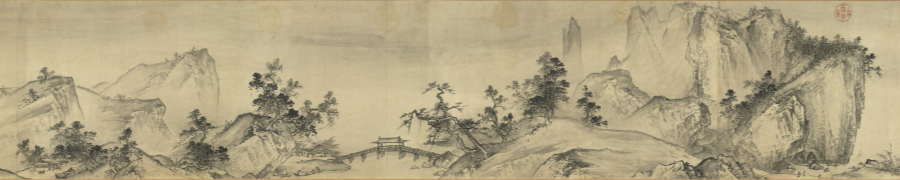
하규 Xia Gui 夏珪 / 계산청원도 Clear and Distant Streams and Mountains / Ink on paper / 46.5 × 890.0 cm / c. 1195–1224 (Southern Song Dynasty) / National Palace Museum, Taipei하규 Xia Gui 夏珪 / 계산청원도 Clear and Distant Streams and Mountains (detail) / Ink on paper / 46.5 × 890.0 cm / c. 1195–1224 (Southern Song Dynasty) / National Palace Museum, Taipei
장병언 jang byeong eun 張炳彦 / 편집된 산수 Edited Landscape (detail) / Ink and light color on paper / 110.0 × 549.3 cm / 2020
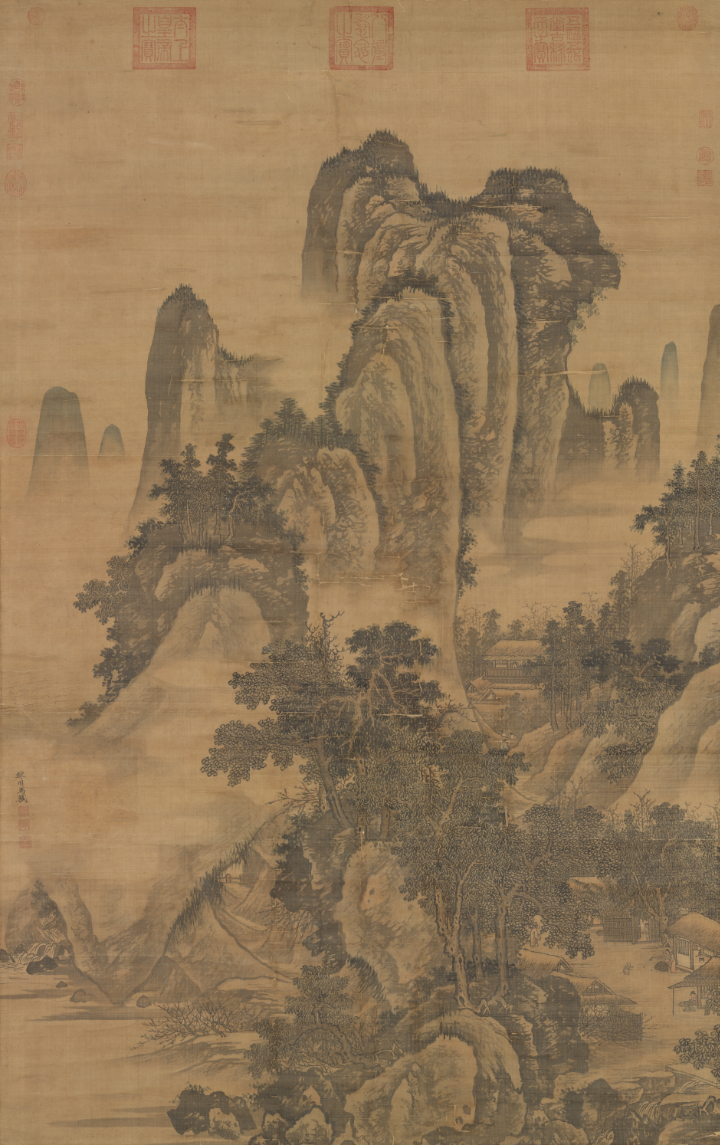
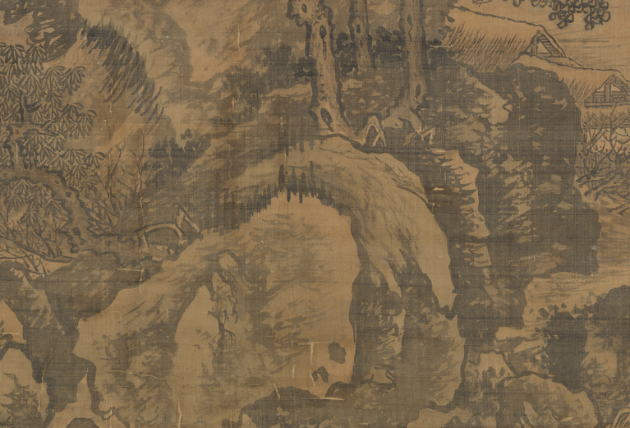
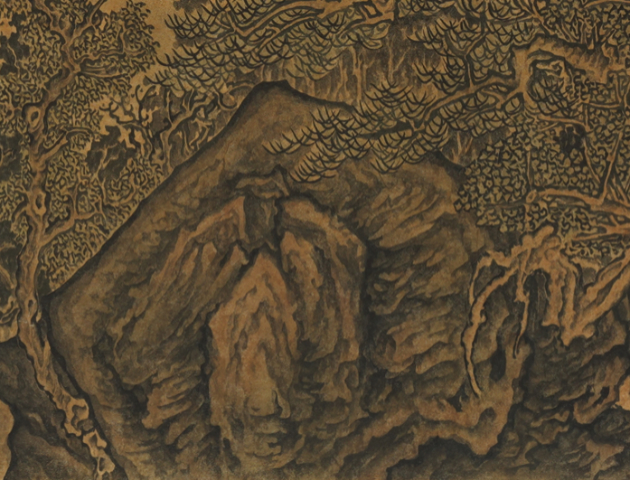
마식 Ma Shi 馬軾 / 봄 계곡의 산촌 Mountain Village in Spring / Ink on silk / 178.6 × 112.1 cm / mid-15th century (Ming Dynasty, Zhengtong reign) / National Palace Museum, Taipei마식 Ma Shi 馬軾 / 봄 계곡의 산촌 Mountain Village in Spring (detail) / Ink on silk / 178.6 × 112.1 cm / mid-15th century (Ming Dynasty, Zhengtong reign) / National Palace Museum, Taipei장병언 jang byeong eun 張炳彦 / 편집된 산수 Edited Landscape (detail) / Ink and light color on paper / 110.0 × 549.3 cm / 2020
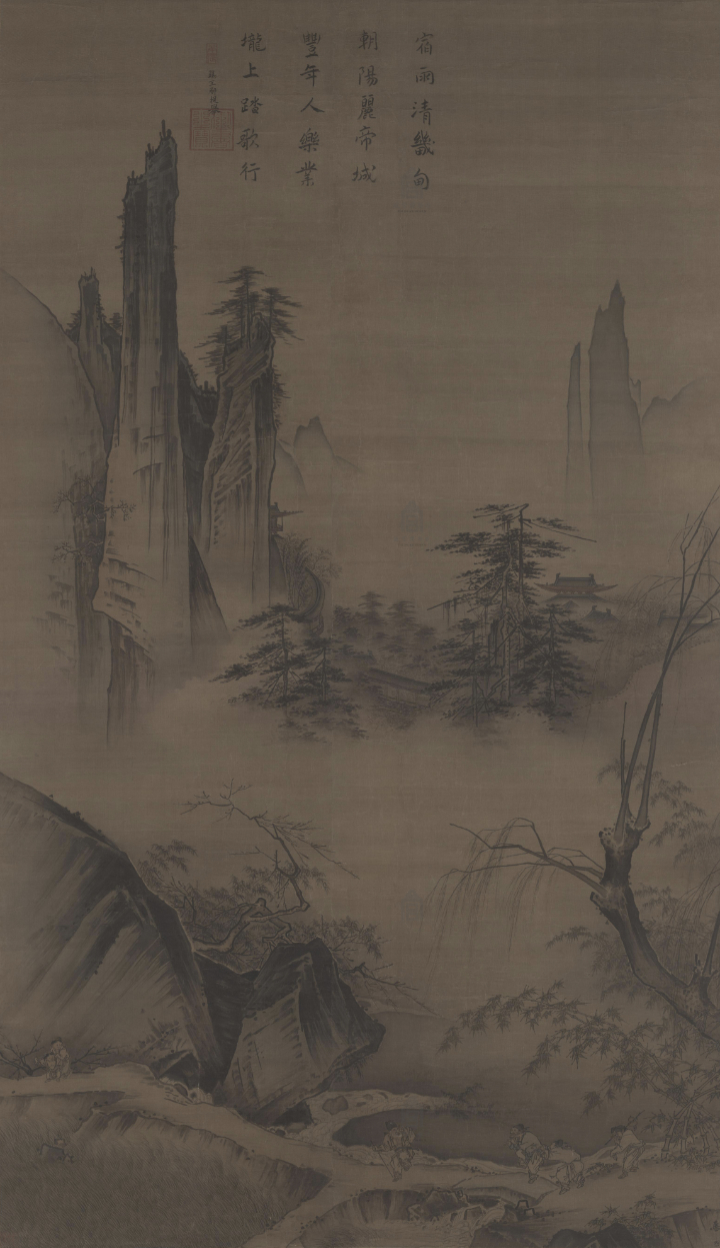
마원 Ma Yuan 馬遠 / 답가도 Treading Song / Ink and light color on silk / 192.5 × 111.0 cm / early 13th century (Southern Song Dynasty) / The Palace Museum, Beijing마원 Ma Yuan 馬遠 / 답가도 Treading Song (detail) / Ink and light color on silk / 192.5 × 111.0 cm / early 13th century (Southern Song Dynasty) / The Palace Museum, Beijing장병언 jang byeong eun 張炳彦 / 편집된 산수 Edited Landscape (detail) / Ink and light color on paper / 110.0 × 549.3 cm / 2020
마원 Ma Yuan 馬遠 / 답가도 Treading Song (detail) / Ink and light color on silk / 192.5 × 111.0 cm / early 13th century (Southern Song Dynasty) / The Palace Museum, Beijing장병언 jang byeong eun 張炳彦 / 편집된 산수 Edited Landscape (detail) / Ink and light color on paper / 110.0 × 549.3 cm / 2020
범관 Fan Kuan 范寬 / 임류독좌도 Sitting Alone by a Stream / Ink and light color on silk / 156.1 × 106.3 cm / 11th century / National Palace Museum, Taipei범관 Fan Kuan 范寬 / 임류독좌도 Sitting Alone by a Stream (detail) / Ink and light color on silk / 156.1 × 106.3 cm / 11th century / National Palace Museum, Taipei장병언 jang byeong eun 張炳彦 / 편집된 산수 Edited Landscape (detail) / Ink and light color on paper / 110.0 × 549.3 cm / 2020
범관 Fan Kuan 范寬 / 임류독좌도 Sitting Alone by a Stream (detail) / Ink and light color on silk / 156.1 × 106.3 cm / 11th century / National Palace Museum, Taipei장병언 jang byeong eun 張炳彦 / 편집된 산수 Edited Landscape (detail) / Ink and light color on paper / 110.0 × 549.3 cm / 2020
이당 Li Tang 李唐 / 호량추수도 Autumn Waters at Haoliang / Ink and color on silk / 24.0 × 114.5 cm / Southern Song Dynasty / Tianjin Museum이당 Li Tang 李唐 / 호량추수도 Autumn Waters at Haoliang (detail) / Ink and color on silk / 24.0 × 114.5 cm / Southern Song Dynasty / Tianjin Museum장병언 jang byeong eun 張炳彦 / 편집된 산수 Edited Landscape (detail) / Ink and light color on paper / 110.0 × 549.3 cm / 2020
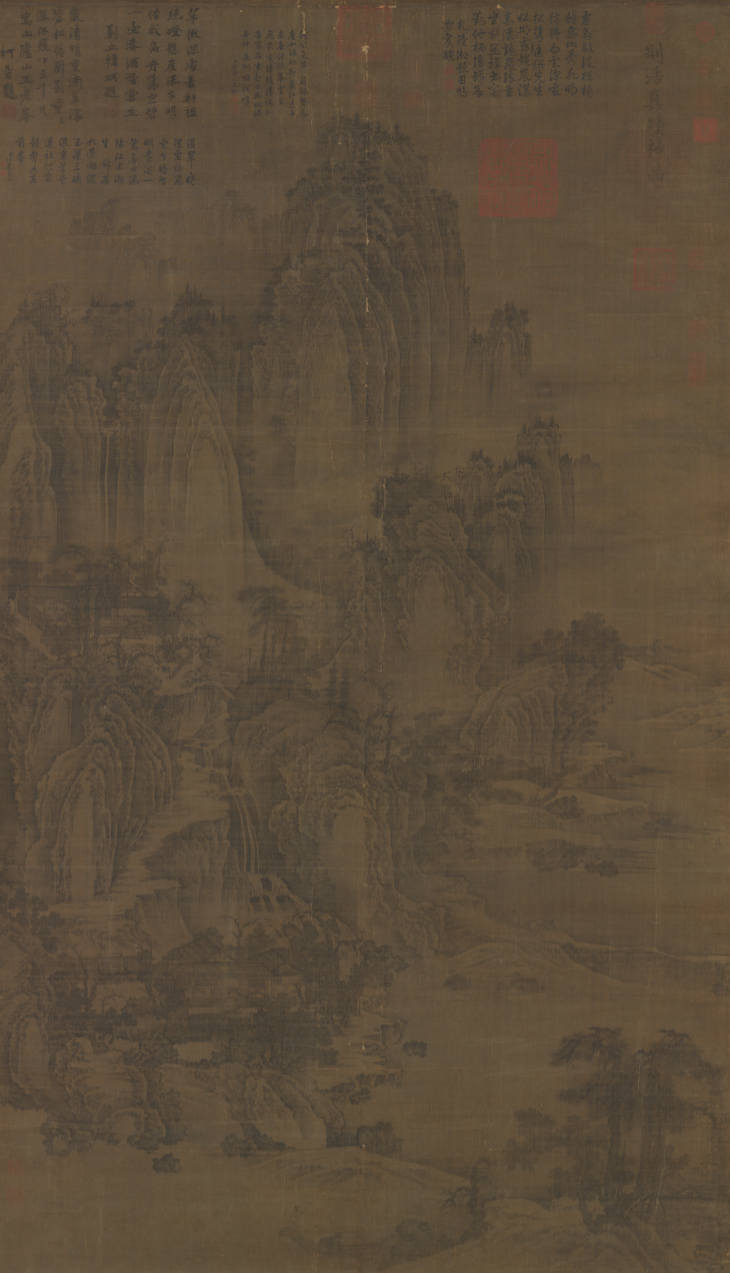
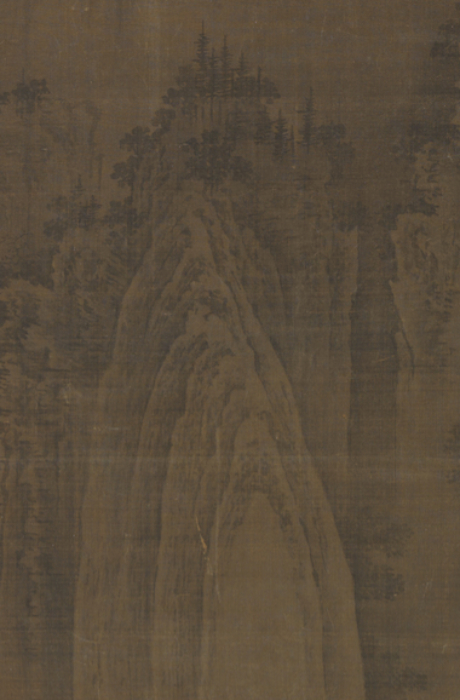
형호 Jing Hao 荊浩 / 광려도 Mt. Kuanglu / Ink on silk / 185.8 × 106.8 cm / Early 12th century (revival of Five Dynasties style) / National Palace Museum, Taipei형호 Jing Hao 荊浩 / 광려도 Mt. Kuanglu (detail) / Ink on silk / 185.8 × 106.8 cm / Early 12th century (revival of Five Dynasties style) / National Palace Museum, Taipei장병언 jang byeong eun 張炳彦 / 편집된 산수 Edited Landscape (detail) / Ink and light color on paper / 110.0 × 549.3 cm / 2020
관동 Guan Tong 關仝 / 추산만취도 Evening Colors over Autumn Mountains / Ink on silk / 140.5 × 57.3 cm / Mid-10th century (Late Five Dynasties period) / National Palace Museum, Taipei관동 Guan Tong 關仝 / 추산만취도 Evening Colors over Autumn Mountains (detail) / Ink on silk / 140.5 × 57.3 cm / Mid-10th century (Late Five Dynasties period) / National Palace Museum, Taipei장병언 jang byeong eun 張炳彦 / 편집된 산수 Edited Landscape (detail) / Ink and light color on paper / 110.0 × 549.3 cm / 2020
관동 Guan Tong 關仝 / 추산만취도 Evening Colors over Autumn Mountains (detail) / Ink on silk / 140.5 × 57.3 cm / Mid-10th century (Late Five Dynasties period) / National Palace Museum, Taipei장병언 jang byeong eun 張炳彦 / 편집된 산수 Edited Landscape (detail) / Ink and light color on paper / 110.0 × 549.3 cm / 2020
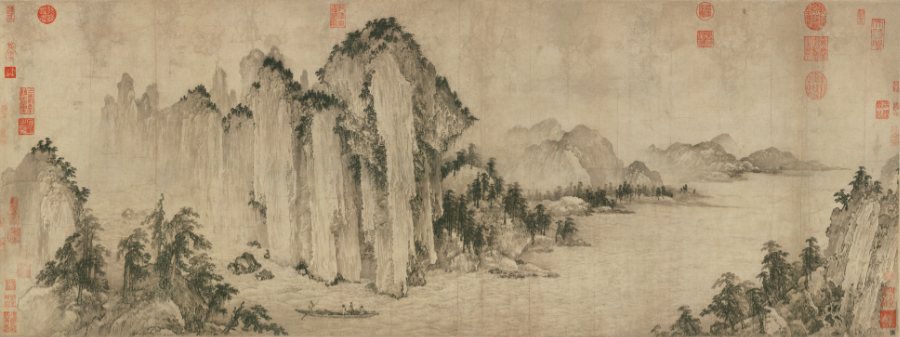
무원직 Wu Yuanzhi 武元直 / 적벽도 Red Cliff Scroll / Ink and color on silk / 50.8 × 136.4 cm / 12th century (Northern Song Dynasty) / National Palace Museum, Taipei무원직 Wu Yuanzhi 武元直 / 적벽도 Red Cliff Scroll (detail) / Ink and color on silk / 50.8 × 136.4 cm / 12th century (Northern Song Dynasty) / National Palace Museum, Taipei장병언 jang byeong eun 張炳彦 / 편집된 산수 Edited Landscape (detail) / Ink and light color on paper / 110.0 × 549.3 cm / 2020
무원직 Wu Yuanzhi 武元直 / 적벽도 Red Cliff Scroll (detail) / Ink and color on silk / 50.8 × 136.4 cm / 12th century (Northern Song Dynasty) / National Palace Museum, Taipei장병언 jang byeong eun 張炳彦 / 편집된 산수 Edited Landscape (detail) / Ink and light color on paper / 110.0 × 549.3 cm / 2020
곽희 Guo Xi 郭熙 / 계산추제도 Streams and Mountains after Autumn Rain / Ink on silk / 25.9 × 205.6 cm / circa 1070–1080 (Northern Song Dynasty) / Freer Gallery of Art, Washington, D.C.곽희 Guo Xi 郭熙 / 계산추제도 Streams and Mountains after Autumn Rain (detail) / Ink on silk / 25.9 × 205.6 cm / circa 1070–1080 (Northern Song Dynasty) / Freer Gallery of Art, Washington, D.C.장병언 jang byeong eun 張炳彦 / 편집된 산수 Edited Landscape (detail) / Ink and light color on paper / 110.0 × 549.3 cm / 2020
문징명 Wen Zhengming 文徵明 / 모조백숙후적벽부도 Imitating Zhao Bosu’s Later Ode to the Red Cliff (detail) / Ink on paper / 31.5 × 541.6 cm / 16th century (Ming Dynasty) / National Palace Museum, Taipei장병언 jang byeong eun 張炳彦 / 편집된 산수 Edited Landscape (detail) / Ink and light color on paper / 110.0 × 549.3 cm / 2020
문징명 Wen Zhengming 文徵明 / 모조백숙후적벽부도 Imitating Zhao Bosu’s Later Ode to the Red Cliff (detail) / Ink on paper / 31.5 × 541.6 cm / 16th century (Ming Dynasty) / National Palace Museum, Taipei장병언 jang byeong eun 張炳彦 / 편집된 산수 Edited Landscape (detail) / Ink and light color on paper / 110.0 × 549.3 cm / 2020
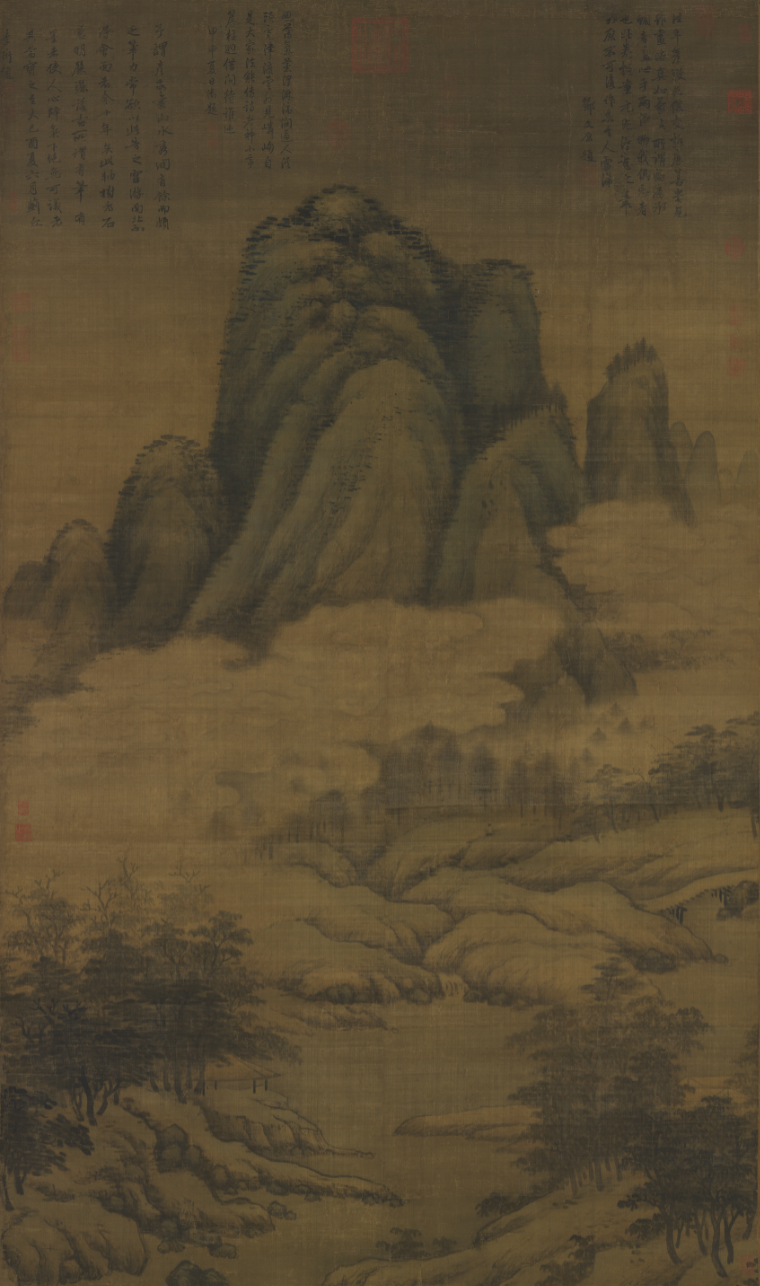
고극공 Gao Kegong 高克恭 / 운횡수령도 Cloud-girdled Peaks / Ink and color on silk / 182.3 × 106.7 cm / Late 13th century (Yuan Dynasty) / National Palace Museum, Taipei고극공 Gao Kegong 高克恭 / 운횡수령도 Cloud-girdled Peaks (detail) / Ink and color on silk / 182.3 × 106.7 cm / Late 13th century (Yuan Dynasty) / National Palace Museum, Taipei
장병언 jang byeong eun 張炳彦 / 편집된 산수 Edited Landscape (detail) / Ink and light color on paper / 110.0 × 549.3 cm / 2020장병언 jang byeong eun 張炳彦 / 편집된 산수 Edited Landscape (detail) / Ink and light color on paper / 110.0 × 549.3 cm / 2020
이 작업에서의 붕괴는 실패가 아니라, ‘욕망의 크기와 완성도는 비례한다’는 전제가 무너진 순간이었다. 그리고 그 전제가 해체되면서, 사고의 기준은 재편되었다.
The collapse in this work was not a failure, but the moment the premise that “the magnitude of desire is proportional to the degree of completion” broke down.
As that premise dissolved, the structure of thought was reorganized.
참고 작품 목록 (연대순)
Reference Works (Chronological)
오대 말–10세기 중반 Late Five Dynasties – Mid-10th Century -형호 Jing Hao 荊浩 / 광려도 Mt. Kuanglu / Ink on silk / Late 9th–early 10th century (Late Tang to Five Dynasties period) / National Palace Museum, Taipei -관동 Guan Tong 關仝 / 추산만취도 Evening Colors over Autumn Mountains / Ink on silk / 140.5 × 57.3 cm / Mid-10th century / National Palace Museum, Taipei
북송 11세기 Northern Song Dynasty – 11th Century -범관 Fan Kuan 范寬 / 계산행려도 Travelers Among Mountains and Streams / Ink on silk / 206.3 × 103.3 cm / early 11th century / National Palace Museum, Taipei -범관 Fan Kuan 范寬 / 임류독좌도 Sitting Alone by a Stream / Ink and light color on silk / 156.1 × 106.3 cm / 11th century / National Palace Museum, Taipei -허도녕 Xu Daoning 許道寧 / 추강어정도 Autumn River and Fishing Boats / Ink on silk / 48.26 × 225.42 cm / c. 1049 / Nelson-Atkins Museum of Art -곽희 Guo Xi 郭熙 / 조춘도 Early Spring / Ink on silk / 158.3 × 108.1 cm / 1072 / National Palace Museum, Taipei -곽희 Guo Xi 郭熙 / 계산추제도 Streams and Mountains after Autumn Rain / Ink on silk / 25.9 × 205.6 cm / c. 1070–1080 / Freer Gallery of Art
12세기 – 북송 말~남송 초 12th Century – Late Northern Song to Early Southern Song -무원직 Wu Yuanzhi 武元直 / 적벽도 Red Cliff Scroll / Ink and color on silk / 50.8 × 136.4 cm / 12th century / National Palace Museum, Taipei -이당 Li Tang 李唐 / 만학송풍도 Wind in Pines Among a Myriad Valleys / Ink and light color on silk / 188.7 × 139.8 cm / 1124 / National Palace Museum, Taipei -이당 Li Tang 李唐 / 호량추수도 Autumn Waters at Haoliang / Ink and color on silk / 24.0 × 114.5 cm / Southern Song Dynasty / Tianjin Museum
남송 12–13세기 Southern Song Dynasty – 12th–13th Century -하규 Xia Gui 夏珪 / 계산청원도 Clear and Distant Streams and Mountains / Ink on paper / 46.5 × 890.0 cm / c. 1195–1224 / National Palace Museum, Taipei -마원 Ma Yuan 馬遠 / 답가도 Treading Song / Ink and light color on silk / early 13th century / The Palace Museum, Beijing
원대 13–14세기 Yuan Dynasty – 13th–14th Century -고극공 Gao Kegong 高克恭 / 운횡수령도 Cloud-girdled Peaks / Ink and color on silk / Late 13th century / National Palace Museum, Taipei -오진 Wu Zhen 吳鎮 / 쌍송도 Twin Pines / Ink on paper / 1328 / National Palace Museum, Taipei
명대 15–16세기 Ming Dynasty – 15th–16th Century -마식 Ma Shi 馬軾 / 춘곡산촌도 Mountain Village in Spring / Ink on silk / mid-15th century / National Palace Museum, Taipei -문징명 Wen Zhengming 文徵明 / 모조백숙후적벽부도 Imitating Zhao Bosu’s Later Ode to the Red Cliff / Ink on paper / 16th century / National Palace Museum, Taipei